
Beyond the Screen
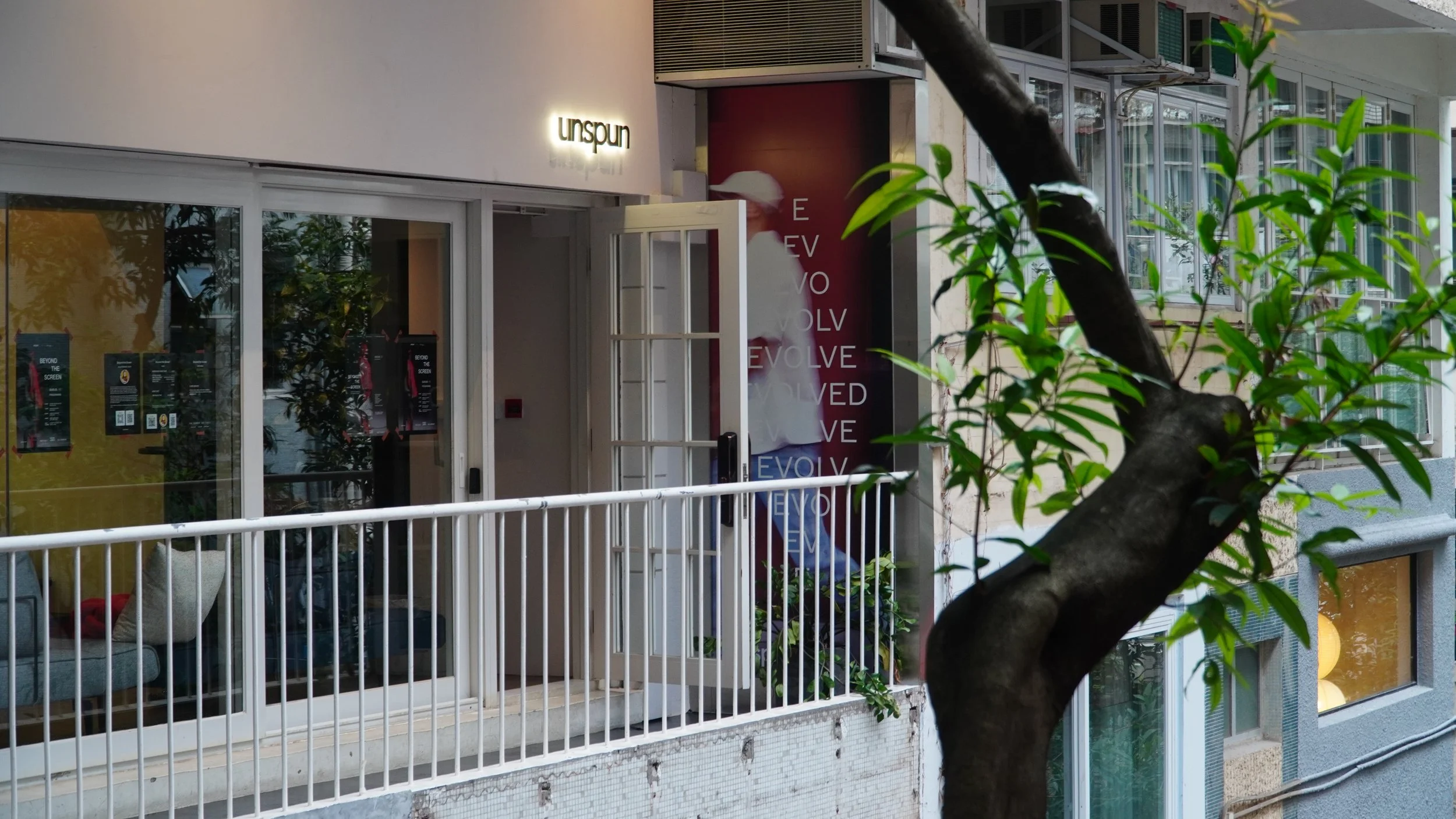
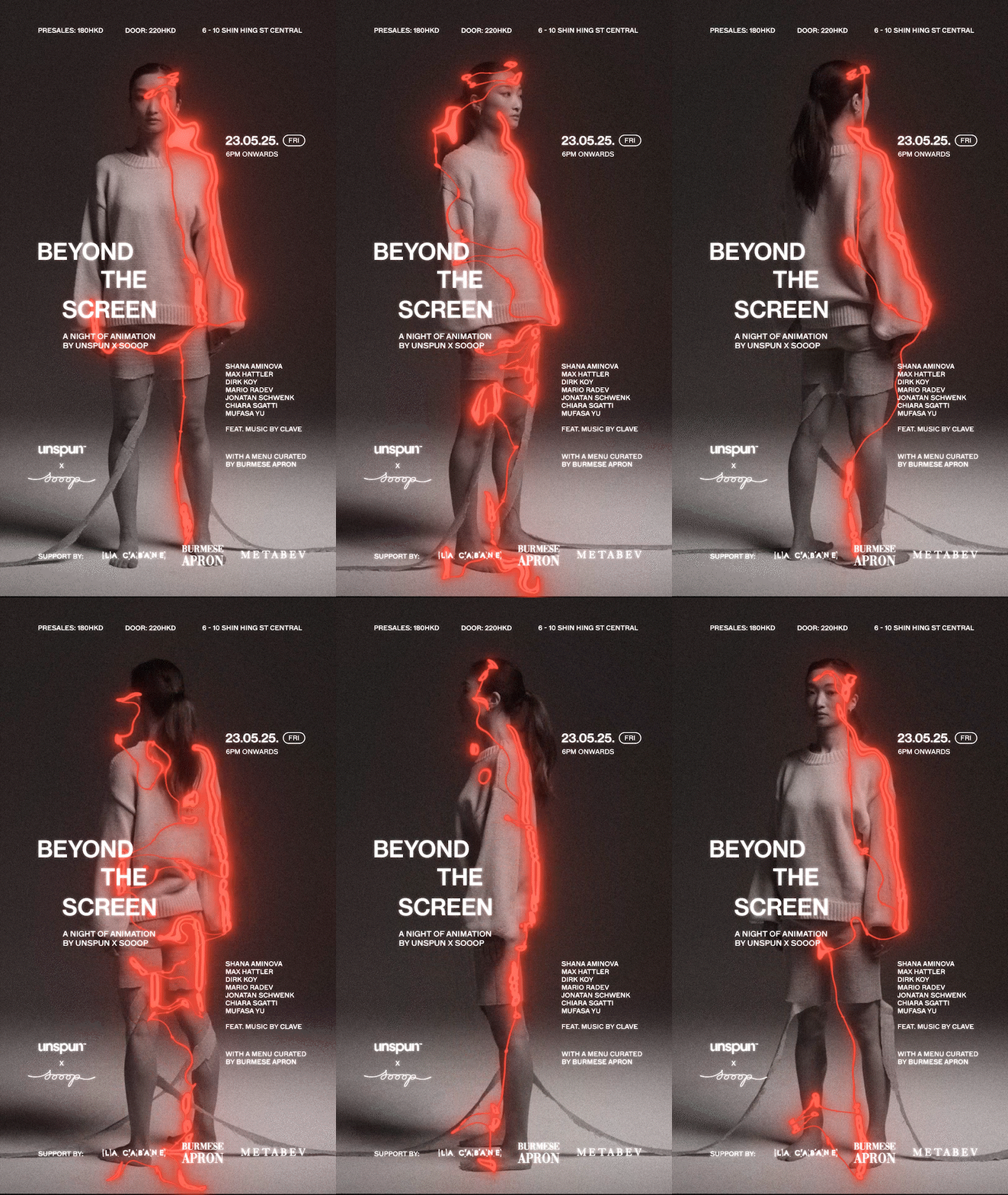
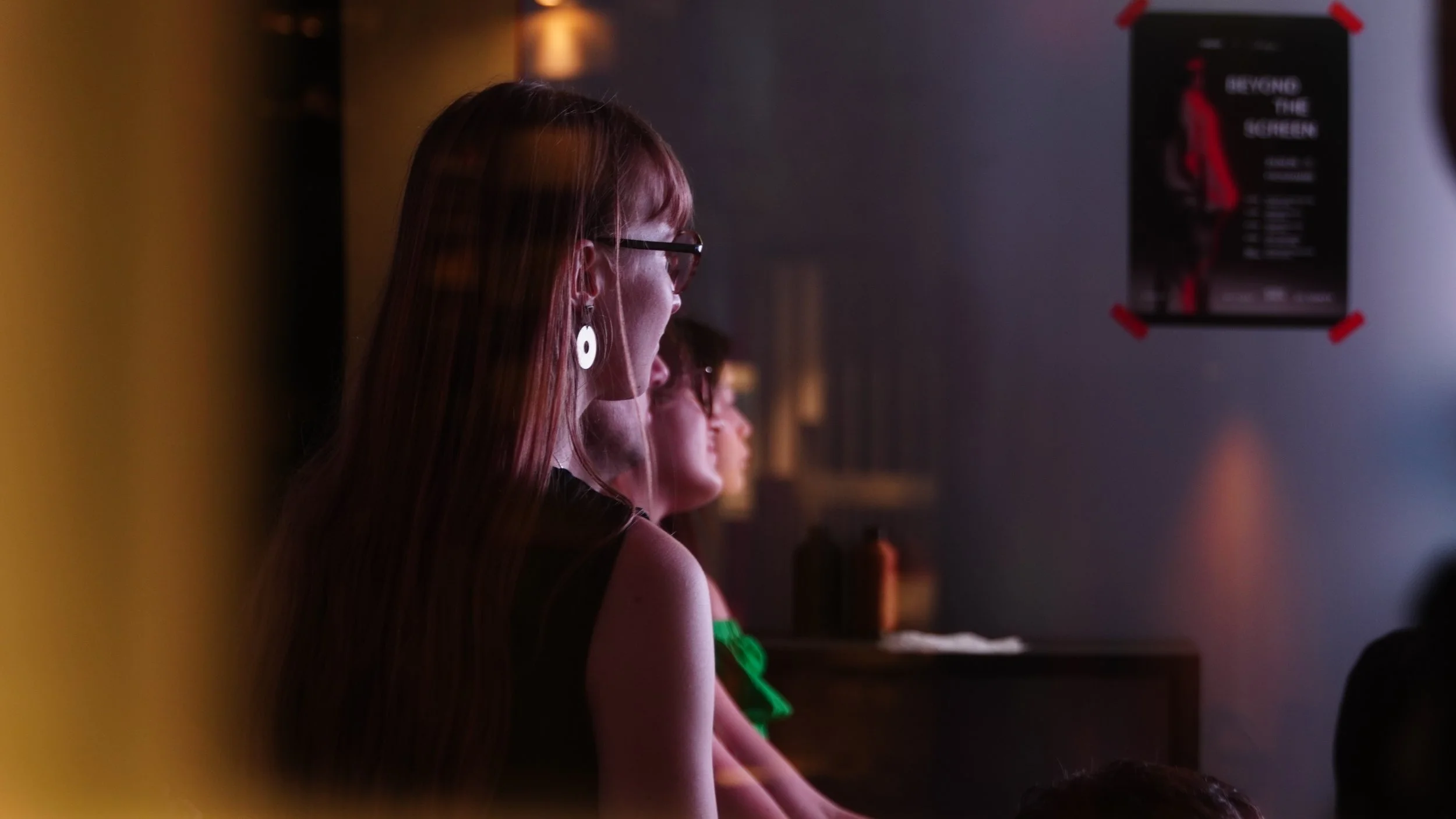
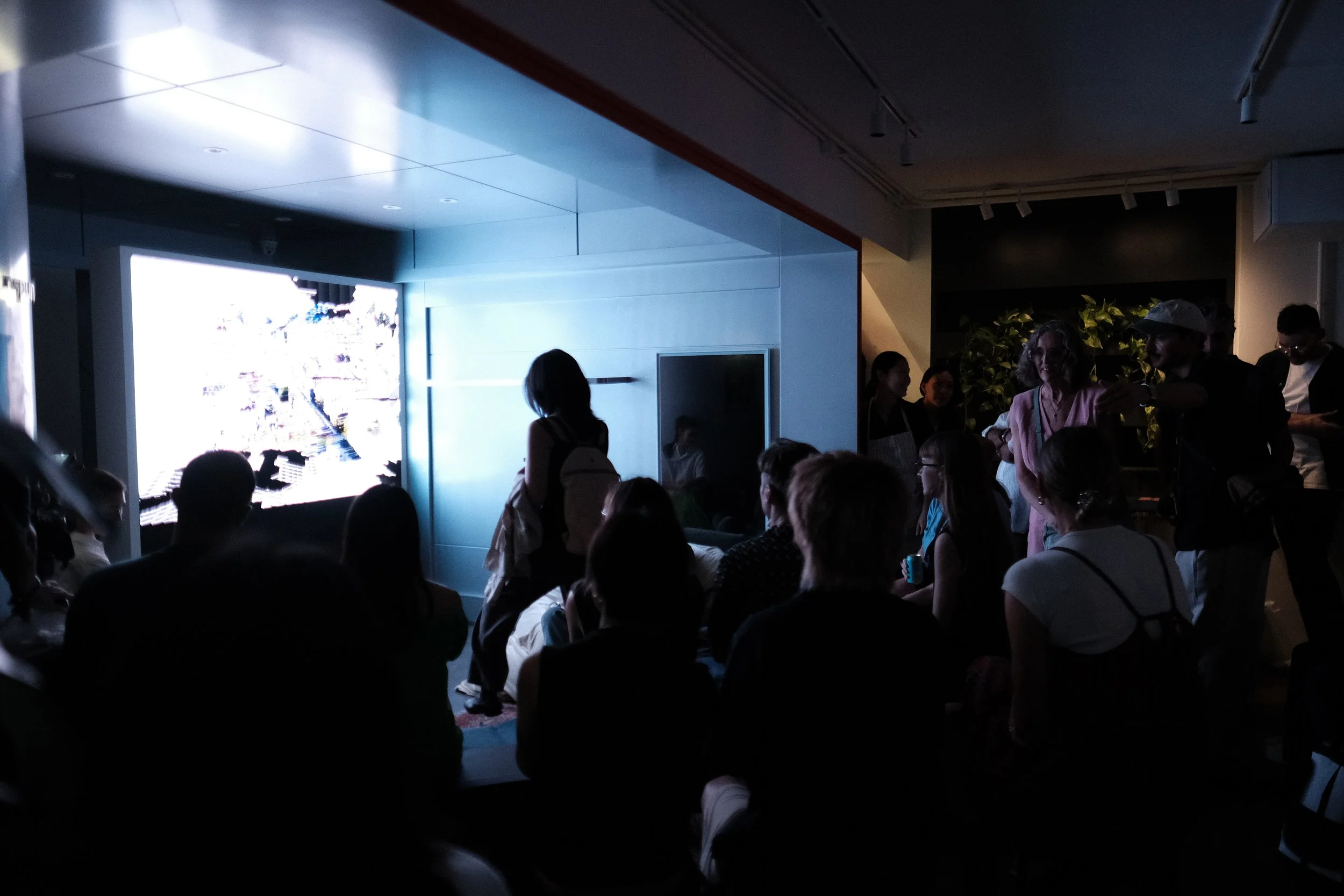
Friday 23 May 2025 – unspun Studio and SOOOP present Beyond the Screen, a night of experimental animation, interactive installation, and interdisciplinary dialogue. Hosted at unspun’s studio at the iconic Shin Hing Steps in Central, the event merges experimental films, technology, and community impact, with partial proceeds from Burmese Apron’s curated menu supporting the earthquake relief in Myanmar.
Programme
Interactive Installation
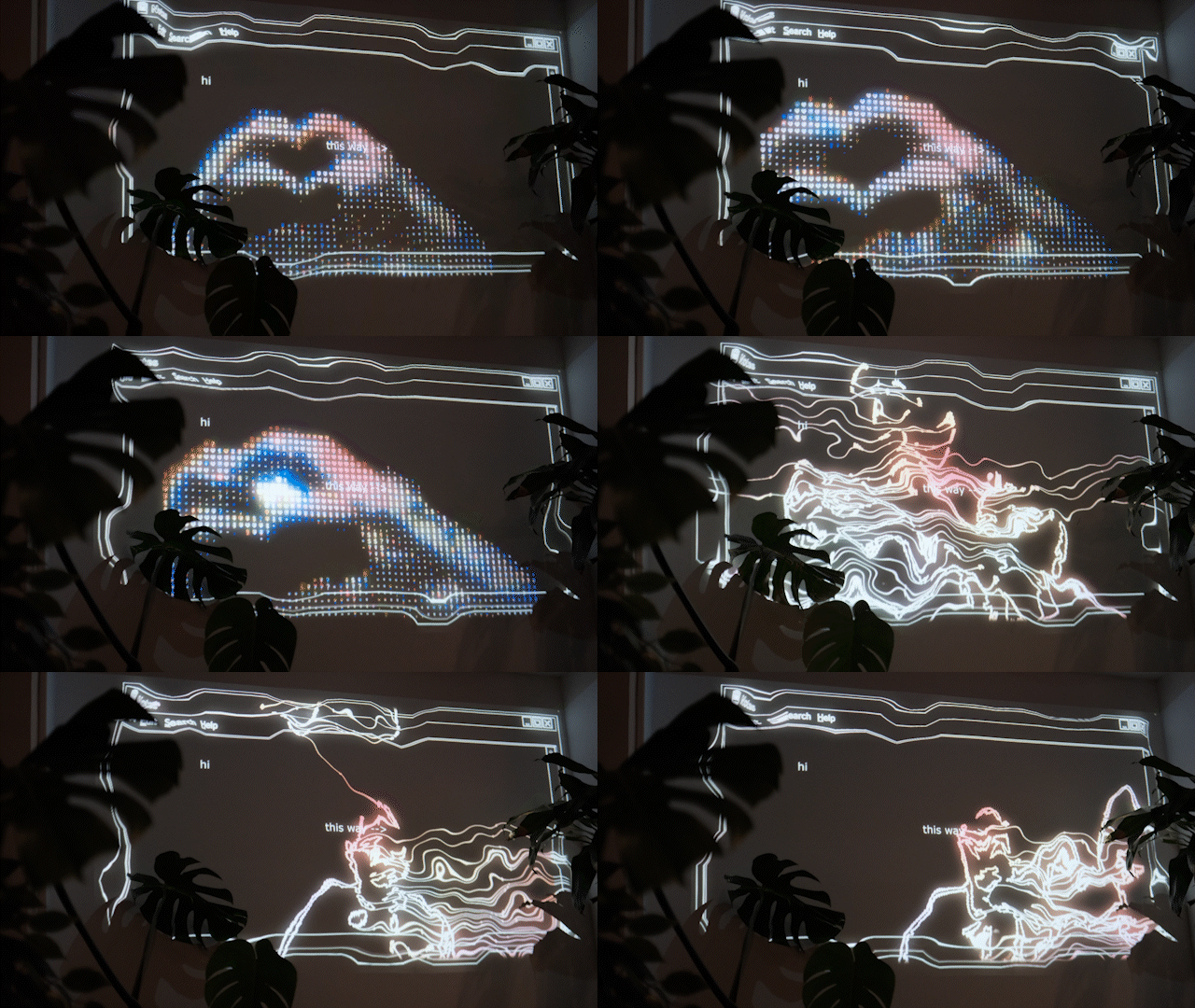
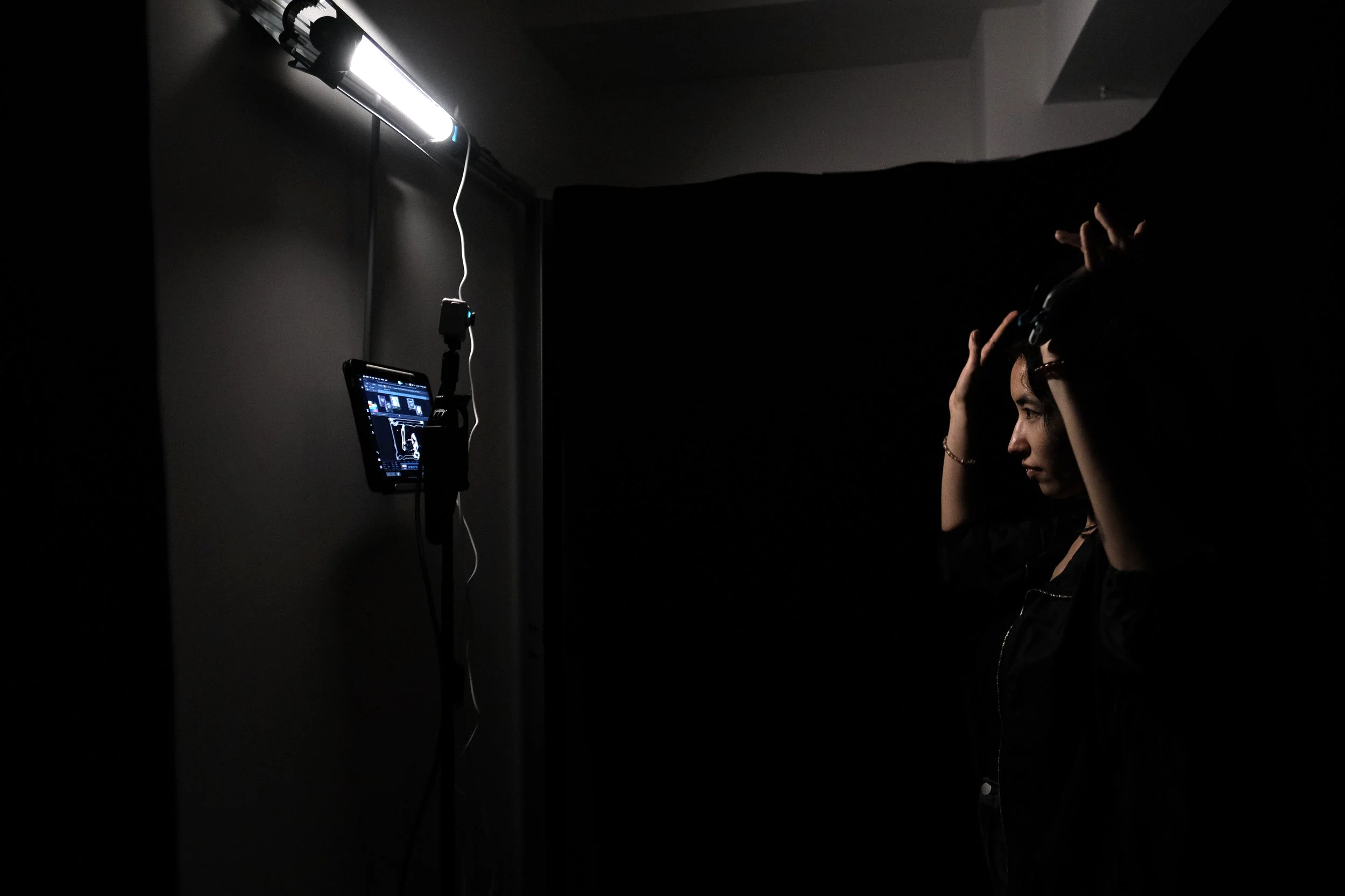
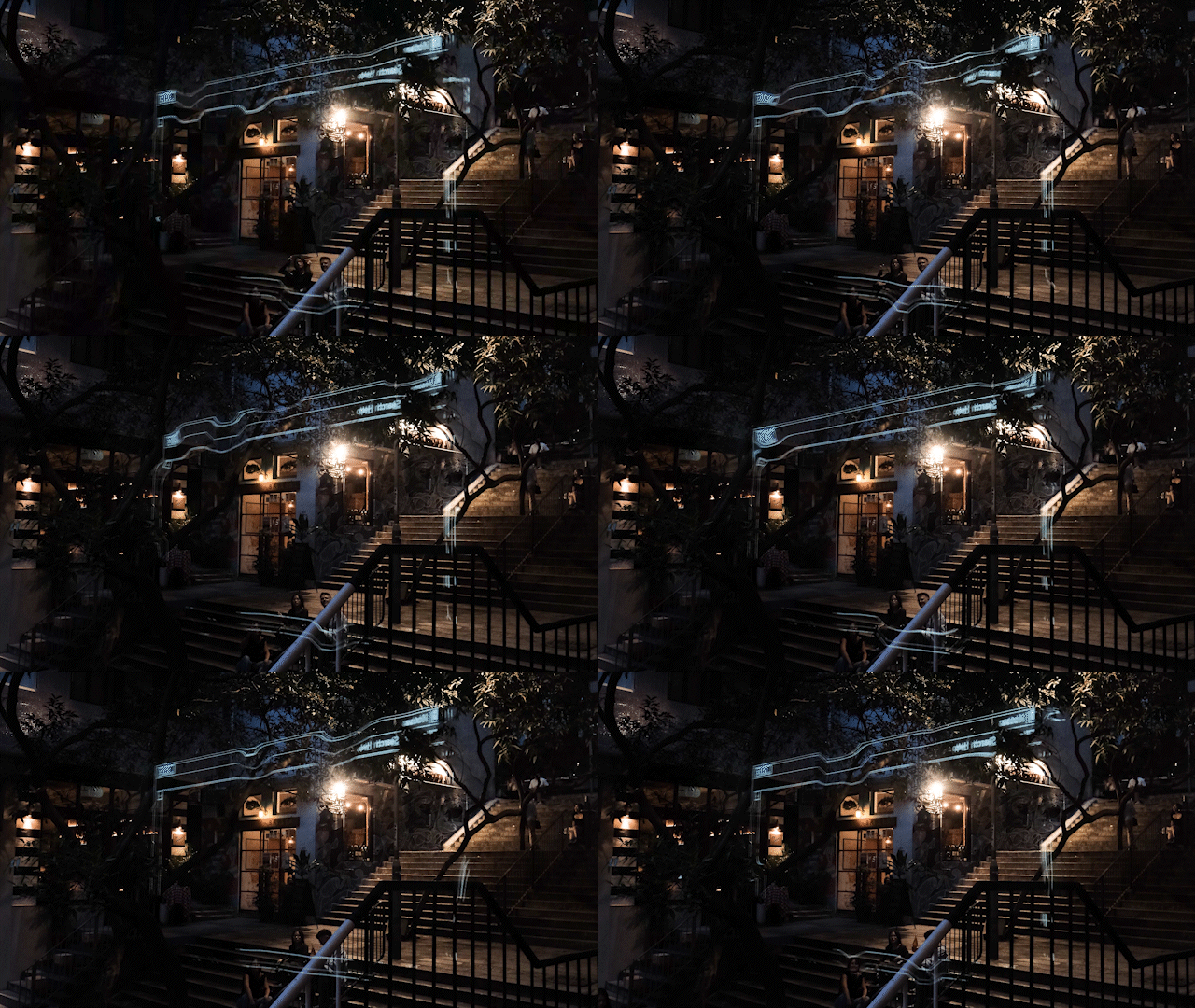
in+corporeal — Shana Aminova | 2025
An interactive projection that explores human existence in the digital landscape. Anonymous and distorted, a fusion of artificial and organic forms creates a new type of presence, altering one’s interaction with physical reality.
Short Animation
salvage — Dirk Koy | 2018 | 06:49
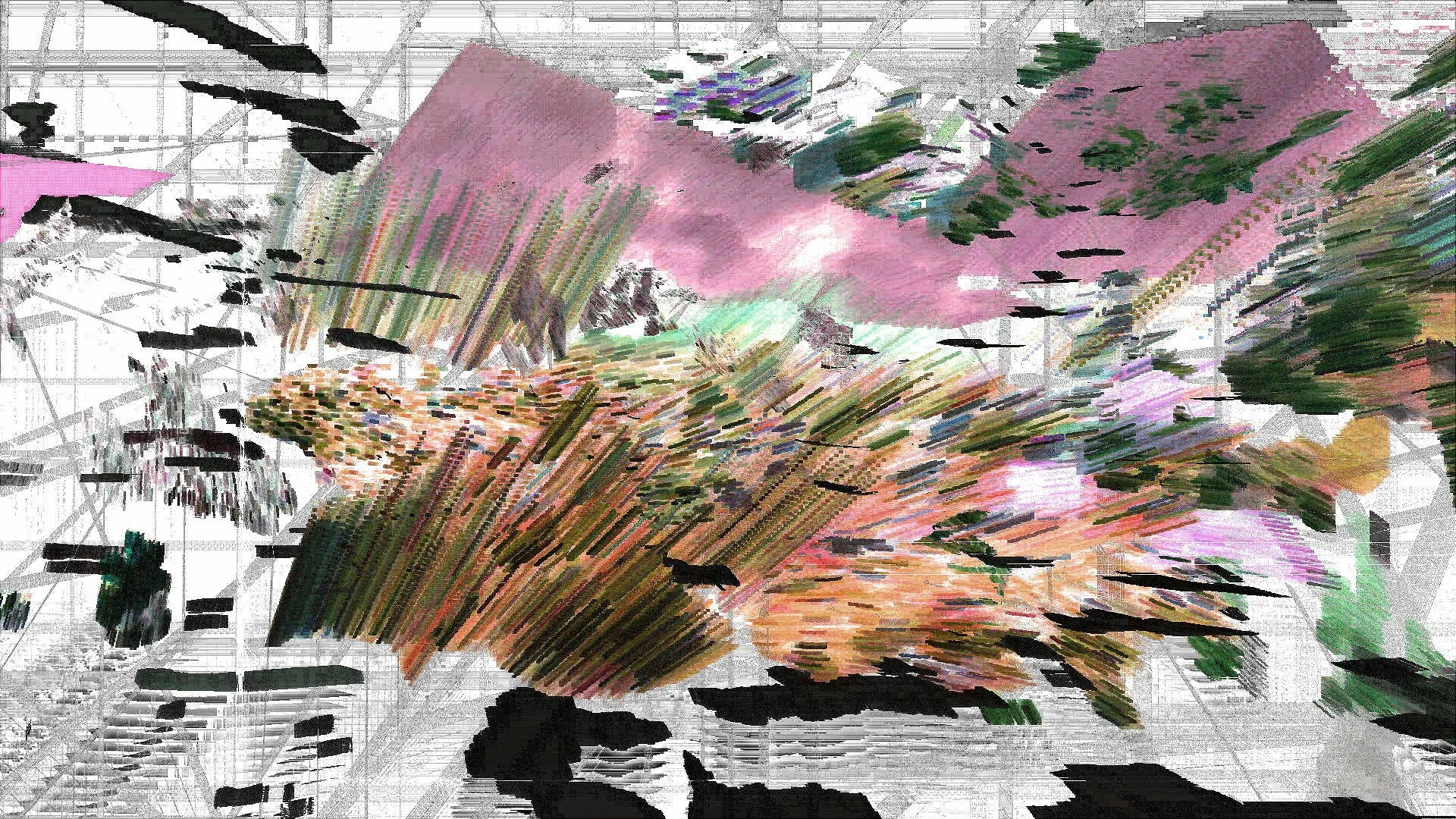
Fragments of memory — images of landscapes and urban spaces from past journeys — are woven together, manipulated, and assembled into spatial compositions. They become more concrete for a brief moment but always remain diffuse and eventually dissolve again.
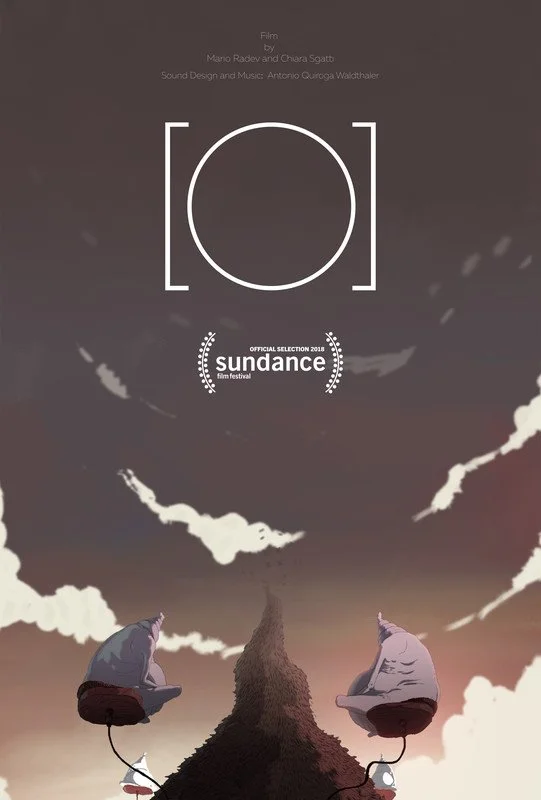
[O] — Mario Radev and Chiara Sgatti | 2017 | 06:36
A film that imitates nature in its manner of operation. The animation depicts cycles in a world entirely based on sound frequency and vibration. [O] received a nomination for the Short Film Grand Jury Prize at Sundance Film Festival in 2018.
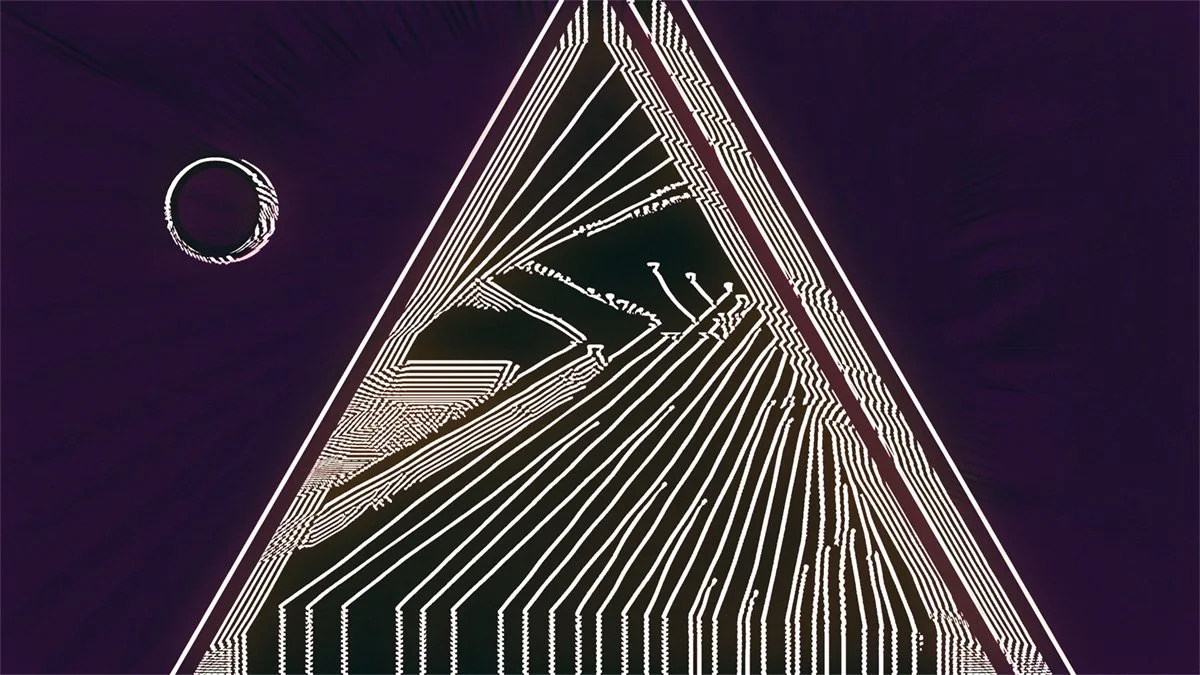
Divisional Articulations — Max Hattler | 2017 | 04:33
Repetition and distortion drive this audiovisual collaboration between composer Lux Prima and visual artist Max Hattler, where fuzzy analogue music and geometric digital animation collide in an electronic feedback loop, and spawn arrays of divisional articulations in time and space.
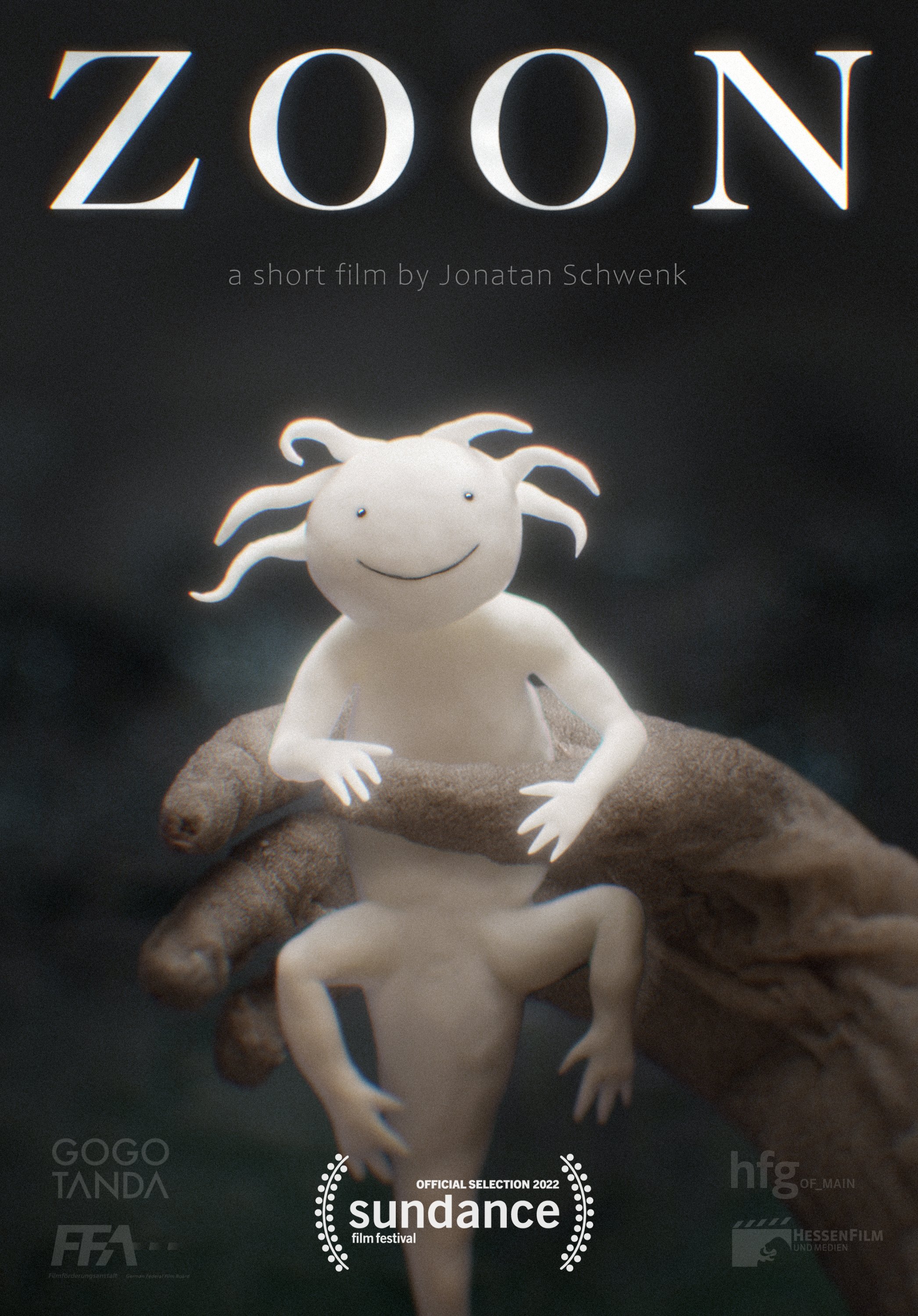
ZOON — Jonatan Schwenk | 2022 | 04:25
Residing in a dark swamp at the bottom of a nocturnal forest, a group of gleaming axolotls pursue lustful games. ZOON premiered at Sundance in 2022, and has screened at 150+ festivals globally.
Animation Feature Film
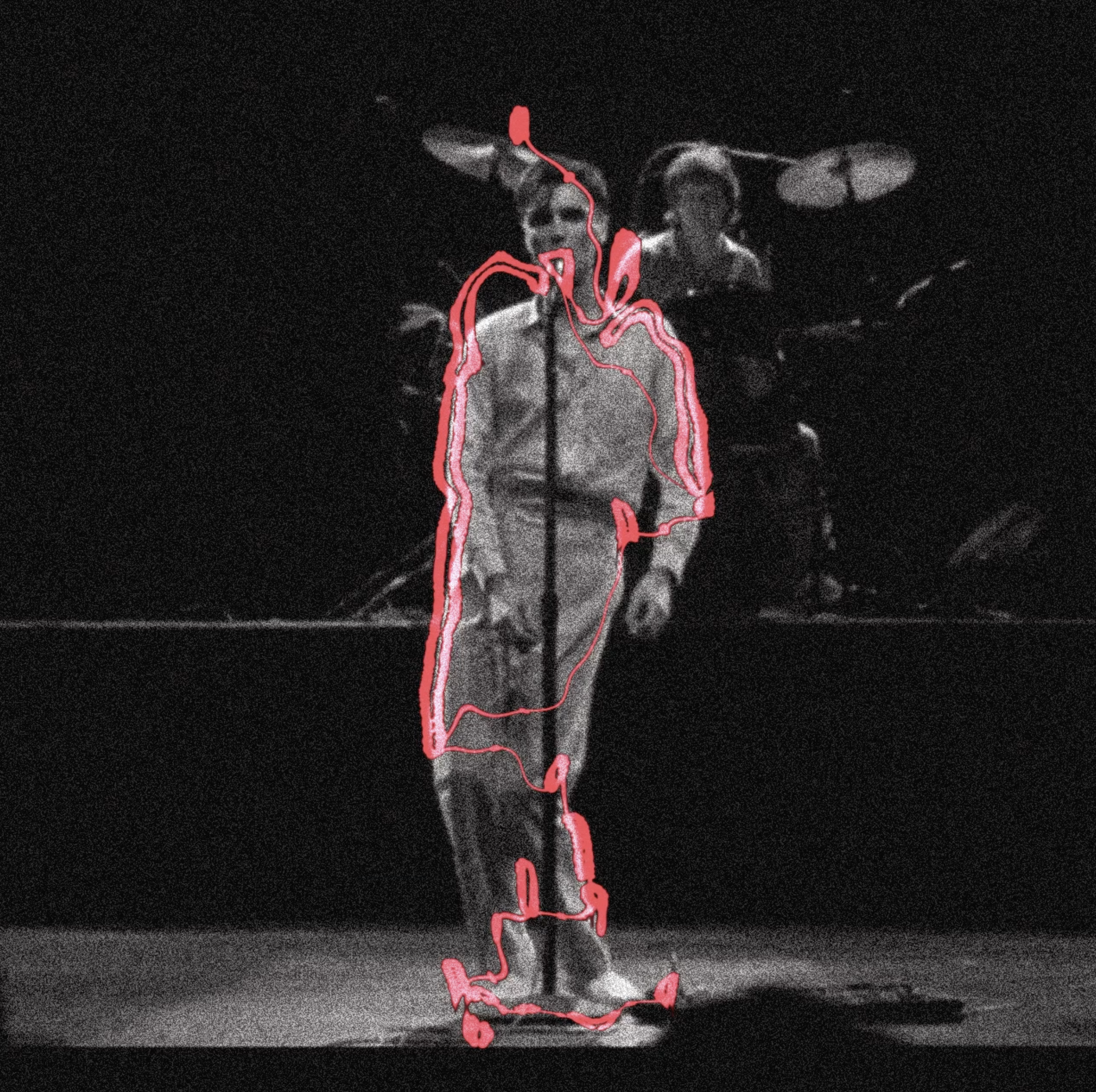
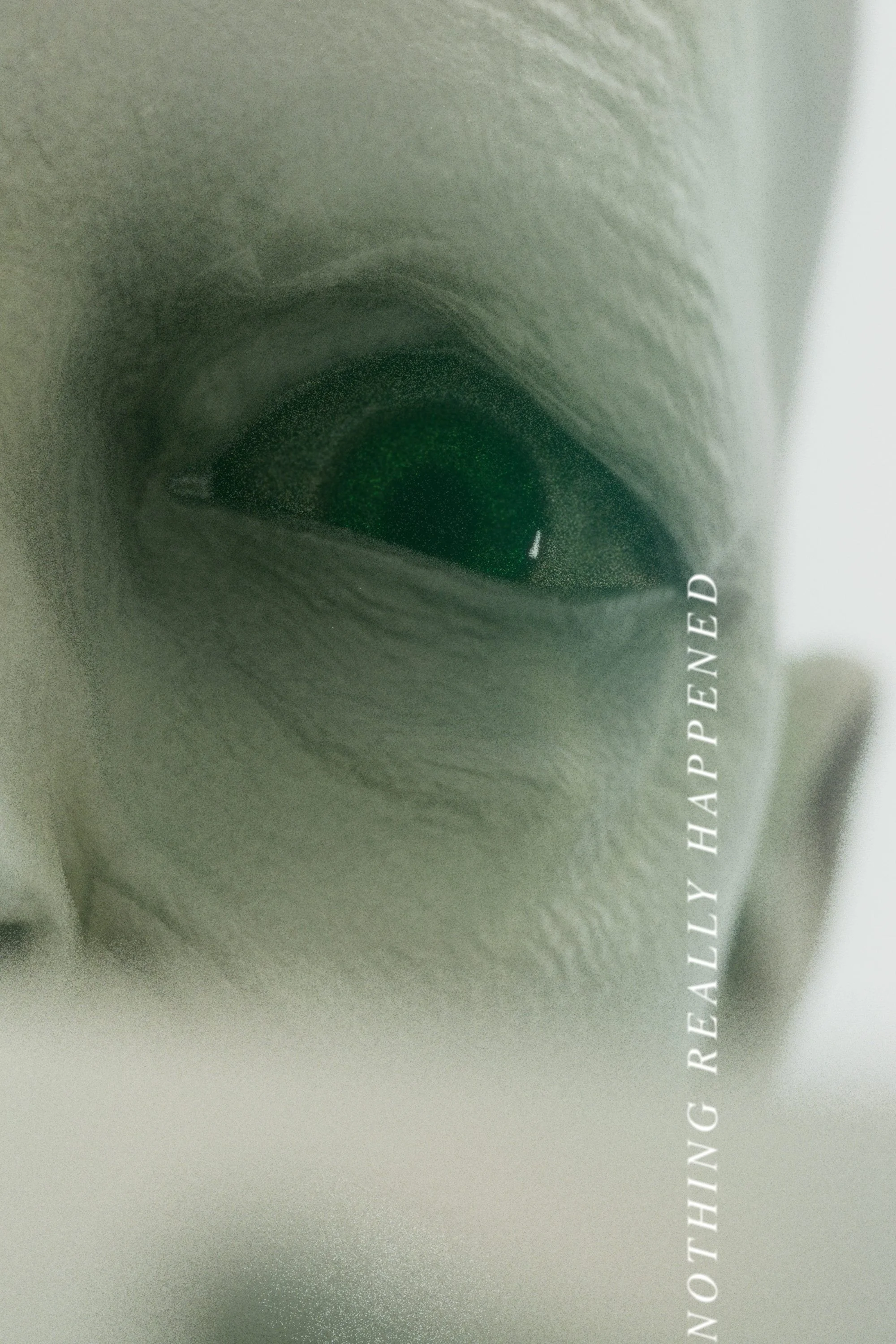
Nothing Really Happened — Mufasa Yu | 2025 | 46:25 | Featuring Original Music by Clave
Images rearrange themselves spontaneously towards chaos and reunion, until they no longer move nor rest, appear nor dissolve. Textured bodies and objects blend into surrealism, immersing the viewer in the film’s haunting visuals and hypnotic soundscapes that reflect on structures of time and life. We see everything yet nothing, while experiencing it all, all at once.
Q&A
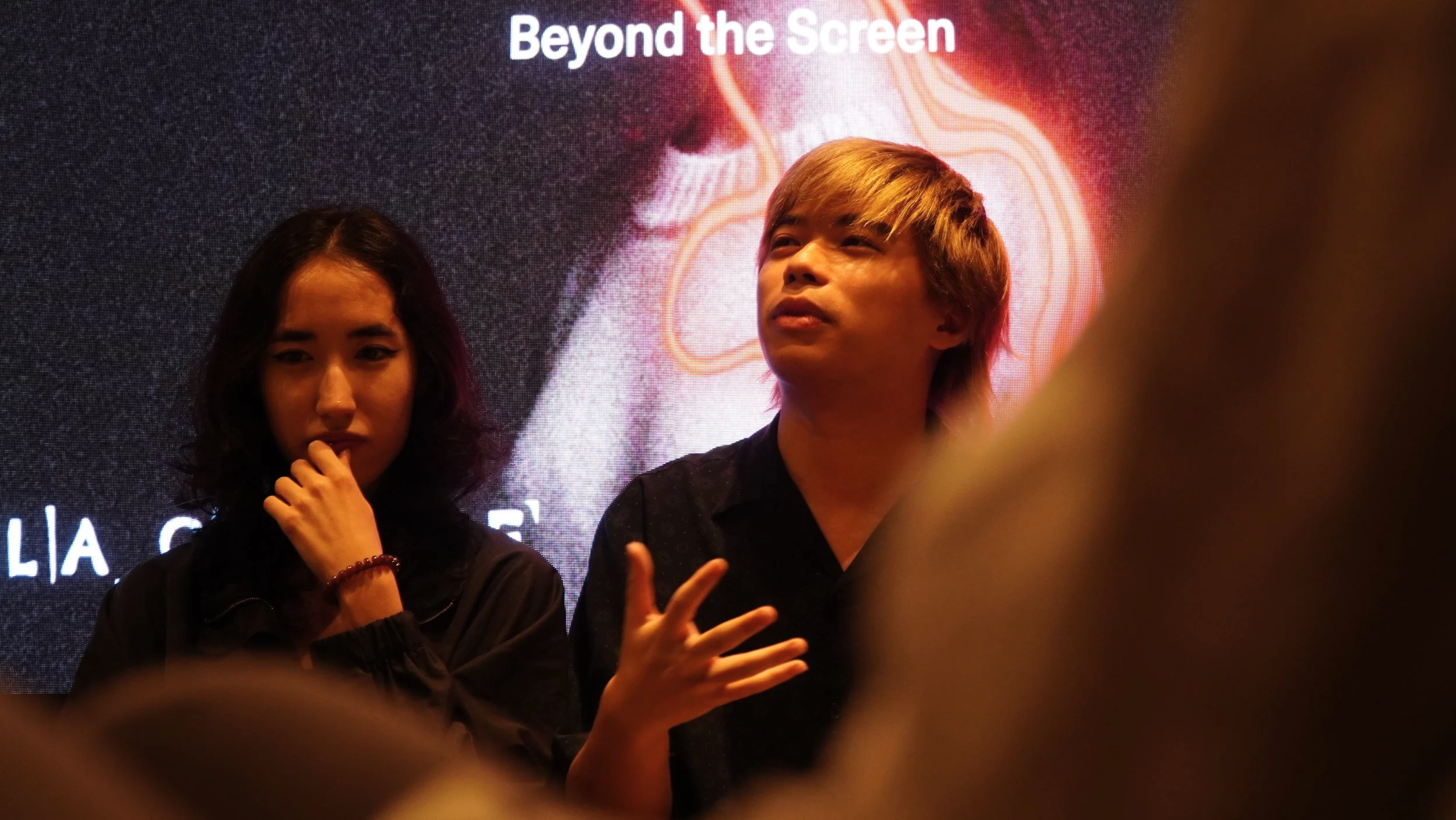
Shana Aminova, Mufasa Yu, Jon Wai Lam, Tam Ho Chun
Moderated by Sophie Colfer.
A Closer Look: Burmese Apron
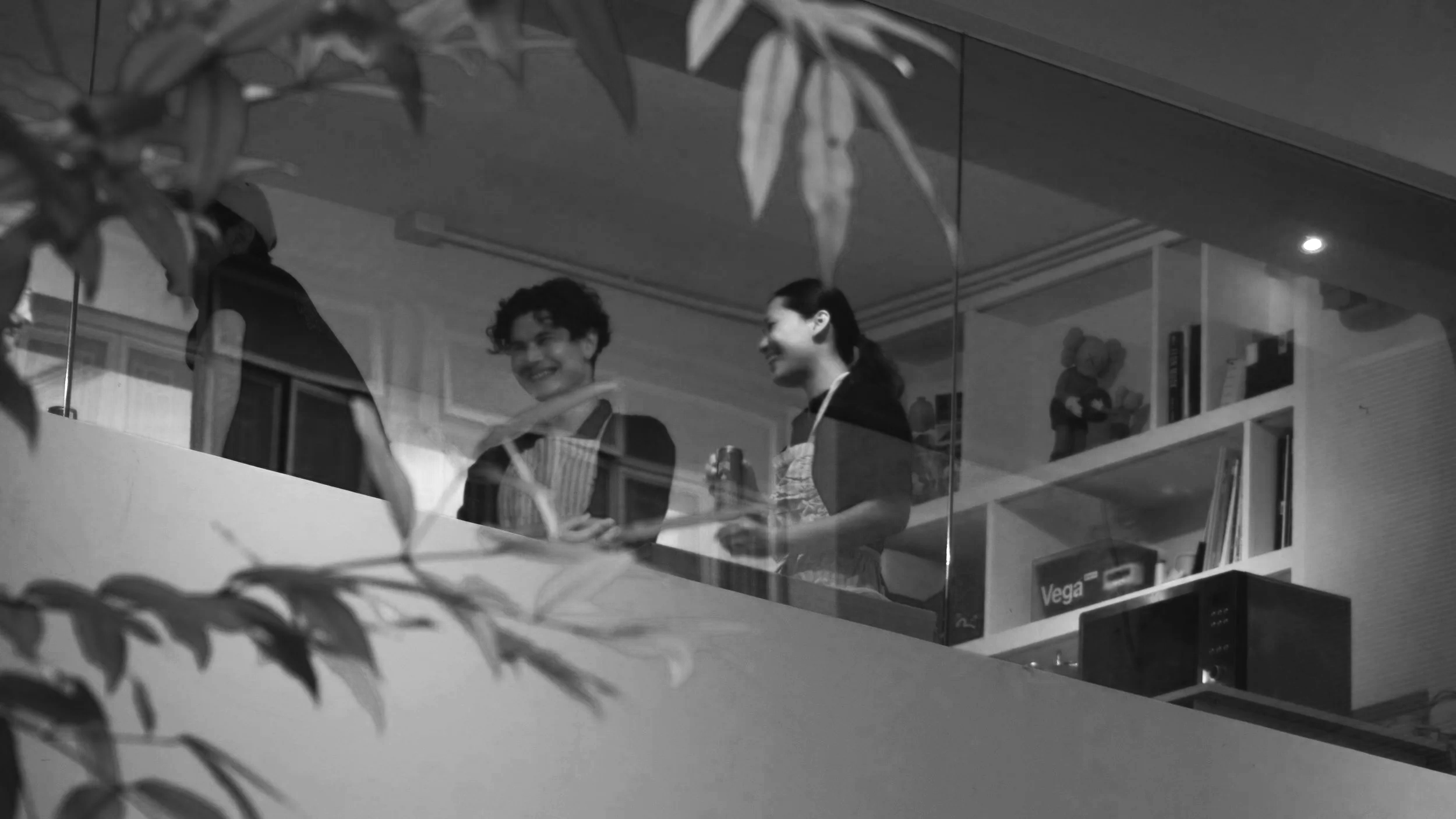
Burmese Apron, founded by Ei Ei San, began as a way to keep a record of her beloved childhood memories from Myanmar. After the military coup in 2021, it grew into a space to shine a light on the plight of her people and to celebrate their resilience. Together with her partner Alex Purdue, she now hosts private dining events to share the stories of Myanmar. 25% of the proceeds from food sales will go to Better Burma's earthquake relief fund.
On the Menu:
Vegetarian Snack Plate
Tofu Pocket; Nga Paung Htoke (Steamed vegetables wrapped in banana leaf); Laphet Htamin (rice onigiri); Kyat O Hin (Egg Curry)
Meaty Bite
Kachin Pork Curry Bun
Complimentary natural wines, beers, and sodas included from our partners at La Cabane and Metabev.
Panel Highlights
Mufasa Yu, Shana Aminova, Jon Wai Lam, and Tam Ho Chun
SOOOP: Mufasa, Shana, and Clave. Your work, to me, explores the place of the human in the context of technology. Through the posthuman lens that suggests that humans are inextricably linked with and shaped by technology, I’d be interested to hear your take on human existence in the digital landscape, and how you reflect that interplay between the virtual and the real, the electronic and the organic, in your work. What does it mean to be human in the digital age? And what does it mean to be an artist in the digital age? And how do you portray these ideas in your work?
Shana [in+corporeal]:
I haven't thought very exclusively about doing work that relates to technology, I just always felt like that was just a natural thing for me. For us, because we grow up with technology and we’re so used to it, one of my core inspirations is the era of the early internet and early technology, and just the feeling of the freedom that it gives you: the era of all possibilities.
It’s such an essential part of our lives. Even though we come from different countries, if we're from a similar generation, we have so many things in common that we grew up with just because we spend time on the internet. And we play the same games, we watch the same TV shows and cartoons. So I think that's something that is very core to us now, because I feel like people often think about it in very separate ways:
There’s the world of digital and technology and there is the real world, the physical world. But I think it's interesting to just take it as one whole.
And that's why I like the idea of using technology in natural settings. So with organic shapes or organic subjects, just in the natural setting where you wouldn’t really expect technology, but also why not? Because we all exist in all of this, all the time.
SOOOP: Mufasa, your film: it follows this progression of a human life or the journey through life. But at the end, we don't just have death. We have this amalgamation of all these human forms, and we have this shot, where we travel through all these screens, and it kind of feels like the evolution of human and technology do not necessarily follow two independent paths, but share a path that converges. And if you look at things like AI now, it's almost like we're kind of moving towards a collective consciousness. So, where before artists would have their individual histories or memories or consciousness that would inform the art that they create, now artists have this trove, this giant stockpile of all human memory and art and history, and it’s almost like creating a new language of humanity, right?
So it’s interesting that you say that that is part of the evolution. It’s not, you know, human beings outside of technology anymore. It’s human beings converging with technology and also through that, converging with each other. I also think that as artists or filmmakers or whatever you do, you’re so deeply tied to the tool that you use. So the expression of meaning or whatever you want to say is so dependent on the language and medium that you use, as that’s the vehicle through which meaning is conveyed. So you can’t really separate the two.
Jon Wai Lam [Clave]:
Yeah when we’re making music, we just think of the sound. You don’t think [about] what tools you should use. Because it depends on us. So I think when we’re making the original music, we don’t separate it as analogue or digital or from AI or new technology, or whatever it is.
We just want to make the sound that we want.
SOOOP: There’s something really interesting about experimental film and animation in the context of these discussions about technology and time. And in particular I want to talk about narrative and linear forms of storytelling and structure, and how most of these films don’t abide by that. The work portrays movements, certainly, progressions, for sure, but is devoid of, let’s say, linear ideas of time, which feel linked to being human in some ways. We, not to be depressing, are born and then march toward our inevitable demise. Mufasa, when I asked you about your film, you also said something really interesting about how film is also a time-based medium with a beginning and an end, so therefore must always follow some kind of linear progression. However, we have these ideas in the work today of more eternal, or ephemeral, or cyclical concepts of time. And so I’d like to hear from you guys how you explore these ideas of time through the language of your work.
Mufasa [Nothing Really Happened]:
I think there is something core in our life that's not combined with or restricted by time.
There’s also love. There's also life, there's also agony.
There's all sorts of things, but they happen every time, like at every point of the linear timeline. So I think time is just a construct by our perspectives of life. Like, time isn't really recognised. I think after the technologies have [evolved and advanced vastly], time will not be such a restrictive tool of our existence. We will experience a different kind of reality, I think. Especially nowadays, technologies open our horizons of life. I look at life through the lens of film. Everything is not about a linear construct. It's more about the core, like a film. It's more about the idea of a film, the idea of the script. That's the most important part of our life, I think. I see it through movies.
Audience Question: About the process, feeling in the flow. I sometimes struggle with working on something, on when to call it. As a perfectionist, it’s very hard to say when it’s done. How do you guys get to that? At what point do you get to the stage where you can say this is ready to be seen by the world?
Mufasa [Nothing Really Happened]:
My philosophy of life is there’s never perfection. There's never really a a product of my absolute mind, of my absolute ideas.
So I think it's good to collaborate with others, to come up with different ideas that we think [follow] a similar sequence, a similar frequency. So I think that's the whole goal of the project. Like we are having the same frequency instead of a similar product that we want.
Audience Question: Maybe to tune in a little bit with this collaboration, I could clearly see how well the human collaborators worked really nicely with the animators and the camera, it was perfectly aligned with the music. But maybe to tackle a little bit of the topic of human/AI or human/machine corporation, what do you think about about control, surprise, and maybe the error about the collaboration that you had with the tool, with the machine? Because I think there's a certain level that you can control, there’s a certain level you can code, there's a certain level you can animate, but I think there's always a certain level of surprise as well that you encounter. So how did you negotiate this human/AI machine collaboration?
Mufasa [Nothing Really Happened]:
From my perspective, I am a not-so-good animator. I'm a not-so-good 3D animator. So I have limited knowledge of 3D animation, but I do have a vision. Like I can imagine what these limited tools can lead me to. So I use the limited technology, limited knowledge of my own to create something that [can] transcend the tool of the film. Like every film of this world.
Like the film in 1960s or 1950s, they don't have the technologies of ours now, but they do make good solid, imaginative stories.
So I think they're similar to me, actually. So we're using our imagination to make up something that we cannot make. [Even if] we don't have the technologies to do.
Moderated by Sophie Colfer.
Credits
Panelists: Shana Aminova, Mufasa Yu, Jon Wai Lam, Tam Ho Chun
Panel Moderator: Sophie Colfer
Event Videographer and Video Editor: Yadin Moha
Trailer Video Credits: Shana Aminova / Dirk Koy / Mario Radev / Chiara Sgatti / Max Hattler / Mufasa Yu / Sophie Colfer
Trailer Music: Clave
Event Photographers: Jiaxin Lu / Henry Chow
Poster: Shana Aminova
Curator: Sophie Colfer
With thanks to Annika Visser, Shereen Jolly, and Zarah
Caterering: Burmese Apron
Venue: unspun Studio
Sponsors: METABEV / La Cabane
Powered by: unspun Studio / SOOOP