
The Third Culture Film Festival Hong Kong Edition 2026
28-30 August 2026 – The Third Culture Film Festival and SOOOP present a private screening of films at Soho House Hong Kong that explore identity, heritage, memory, and perception. While the TCFF programme curated by Harry Oram spotlights international selections from their New Zealand-based festival, SOOOP’s Hong Kong programme features local and diasporic voices from across, and beyond, Hong Kong. Following the screenings, guests are invited to a panel discussion and Q&A with filmmakers. This event is only open to private guests and Soho House members, and features three premieres.
This event was made possible with the support of NockArt Foundation and Nockie’s Palette.
The Hong Kong Programme
To possess a third culture identity is to to experience a perpetual unquiet within, orbiting two cultures and belonging to neither. The films in HK Shorts 1 and 2, made by HK/third culture filmmakers, are indeed marked by a shared sense of disorientation, as well as broader questions about identity and what we inherit.
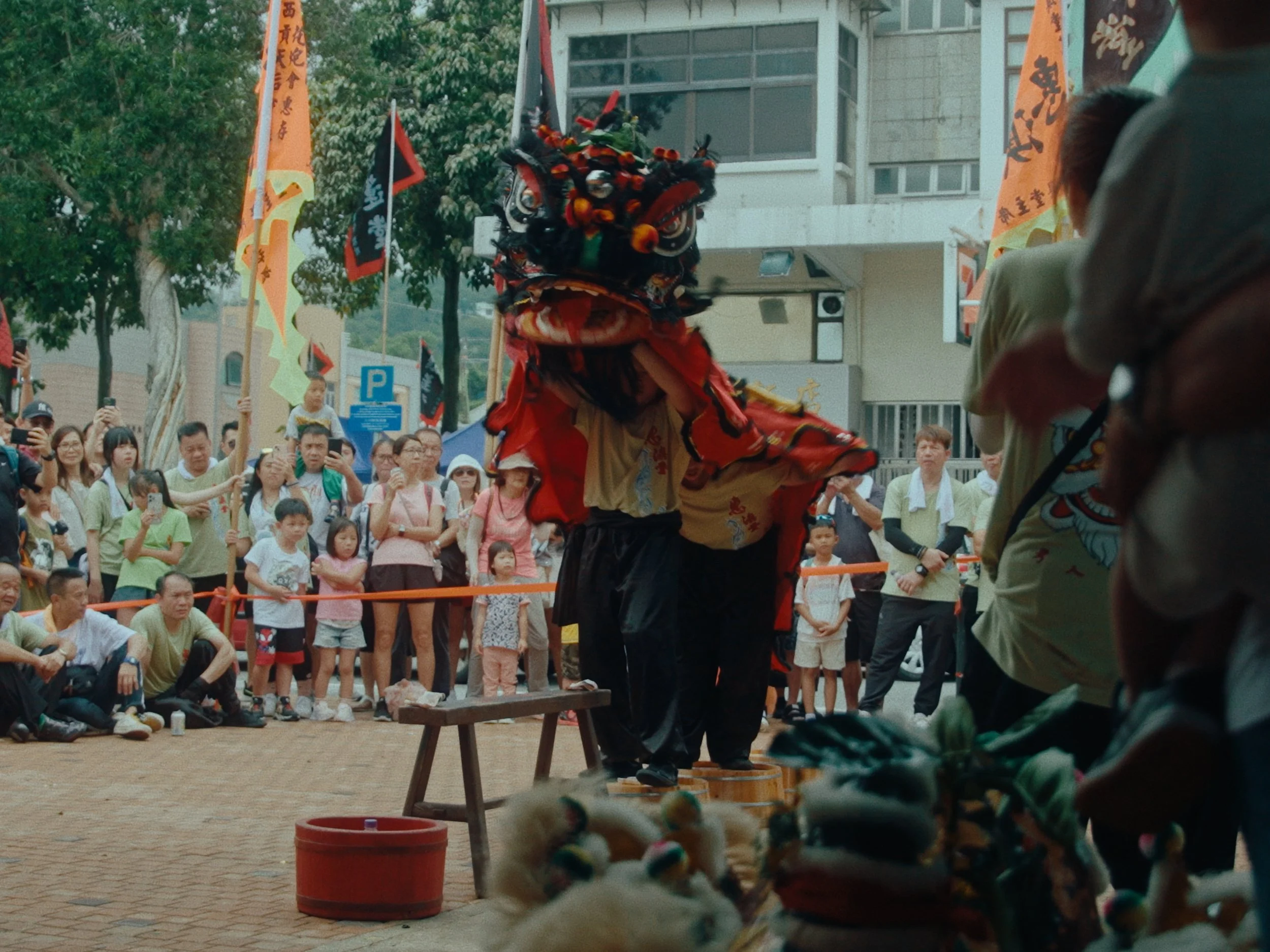
As Kelvin, the London-born Hong Kong Lion Dancer in Rosanna Lee’s Heart of the Lion considers:
“This [Hong Kong] is where I belong. But home is a different thing.”
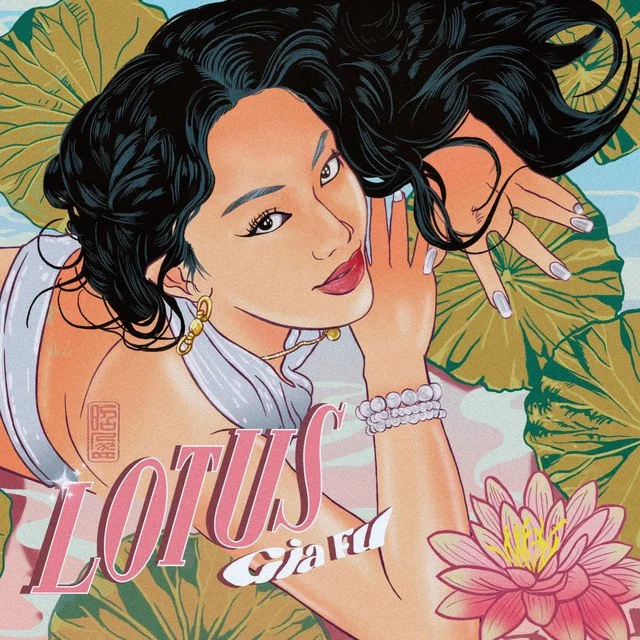
Yet, there is also beauty in hybridity. The films spotlight the wonderfully eclectic and colourful delights that come with straddling multiple worlds. Look no further than Rose Ng’s portrait of the star Gia Fu, which celebrates the vibrant synthesis of HK and Afro-Latin music and feels both joyfully nostalgic and singularly new.
These stories reinvigorate our understanding of the complexities and multiplicities of identity, raising questions about family, heritage, memory, and perception. Indeed, in Kitty Yeung’s 《縊》A Missing Scene from Floral Princess: An Untold Suicide of the Last Ming Emperor, we see how, through the reframing of a story in a different place, time, and through the eyes of someone whose background differs from the original thinker/artist, stories can be reframed and reimagined, and meaning can be reshaped. The third culture experience is similarly ever-changing, a unique configuration of movements in different directions.
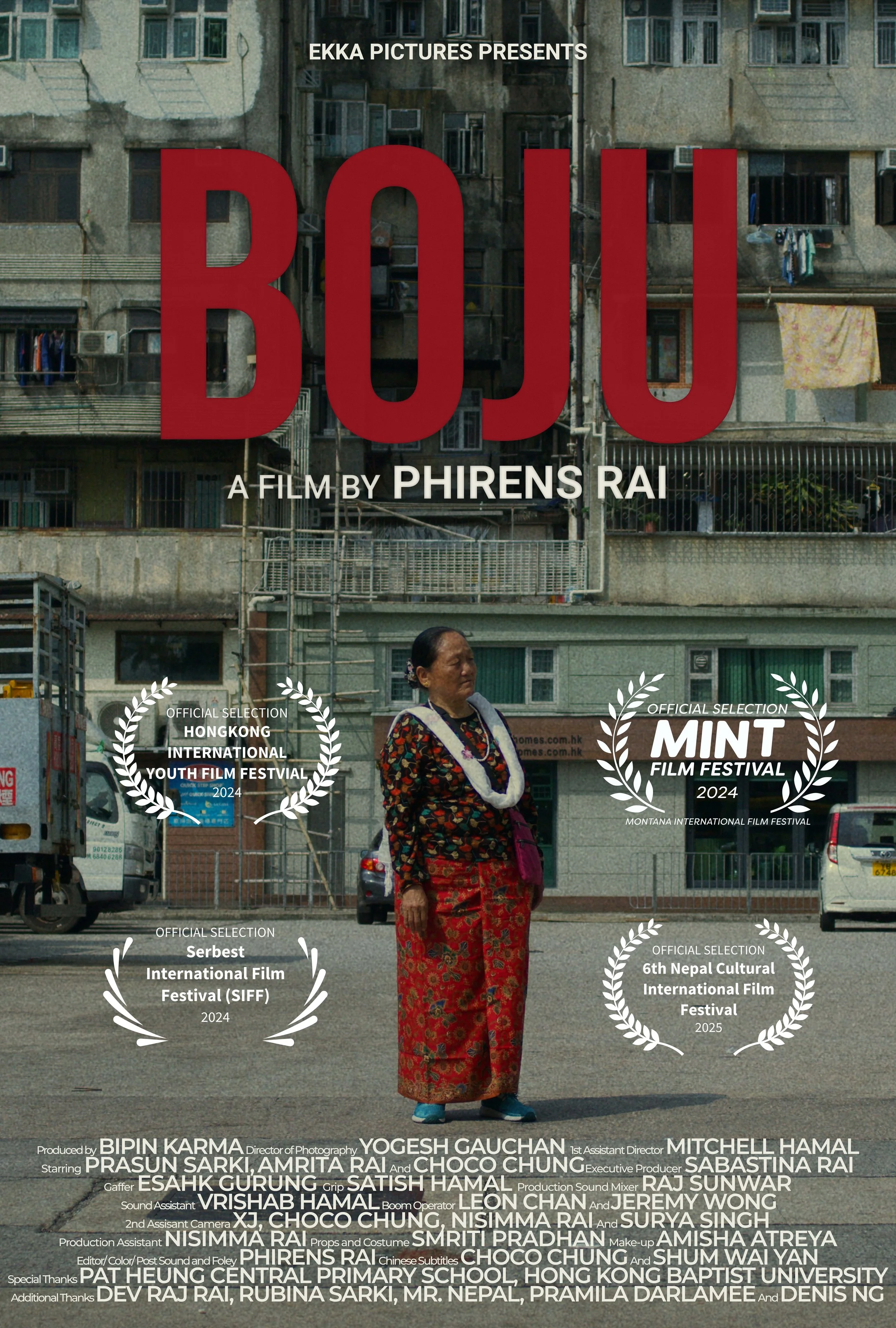
We hope that the breadth of the programme can in some way expand the cultural vernacular within Hong Kong regarding third culture identities, including the points of view of more marginal HK perspectives, such as the tender portrait of the hardworking Nepalese grandmother in Phirens Rai’s Boju, which opens HK Shorts 1.
Meanwhile, outside of Hong Kong, diasporic filmmakers portray the stories of Hongkongers abroad, stories filled with longing: for love, for connection, and, most importantly, for Iced Lemon Tea – Less Sugar.
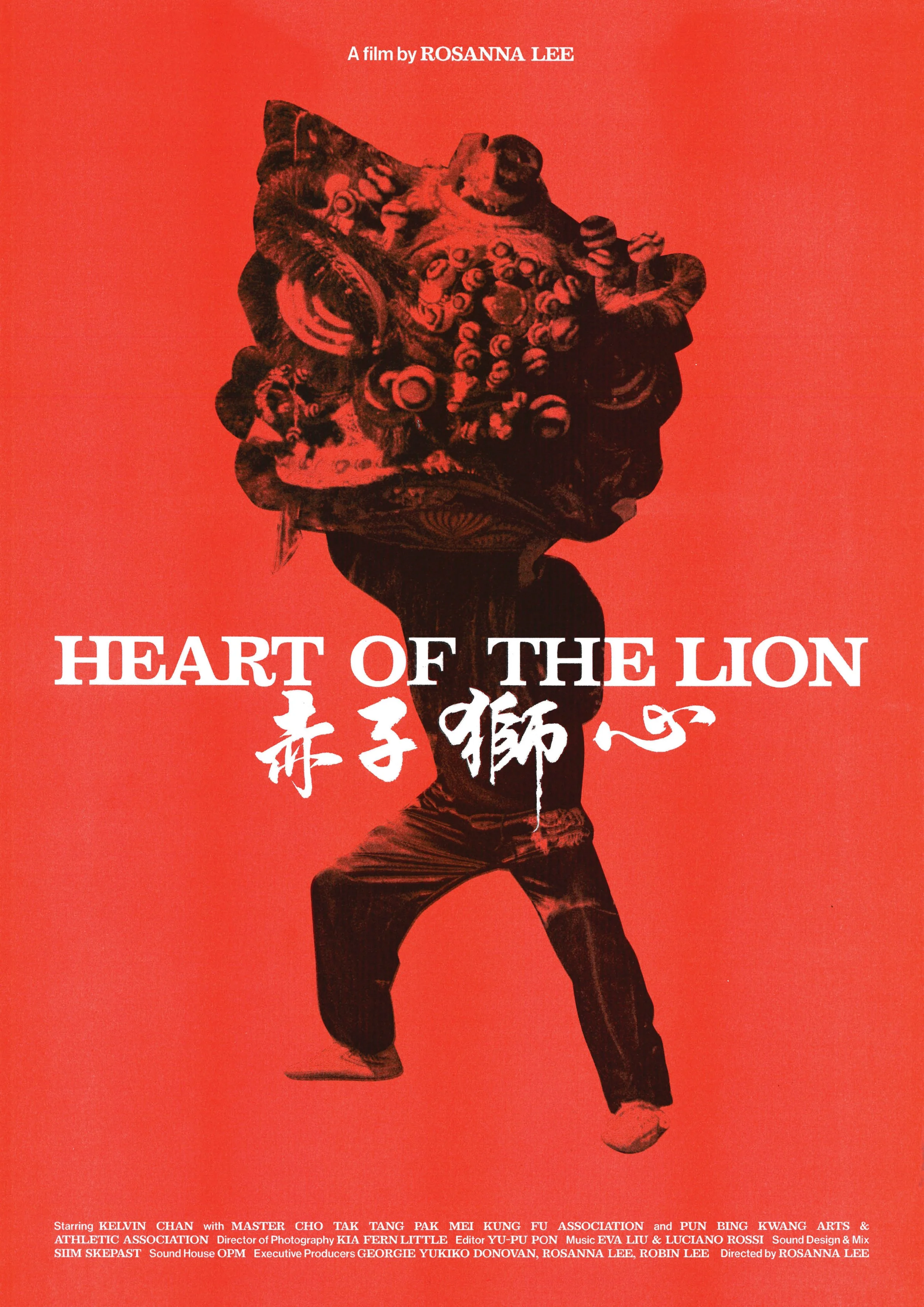
Still from Heart of The Lion | Rosanna Lee | 2026
HK Programme
HK Shorts 1 | 29.08 | 6:00 - 7:20 PM
Boju — Phirens Rai | 2024 | 17:20
In Boju, Hong Kong-Nepali director Phirens Rai pays tribute to hardworking grandmothers who sacrifice their lives and livelihoods for the next generation. Loosely based on Rai’s journey of growing up in Nepal under his grandmother's care while his parents worked in Hong Kong, Boju portrays the struggle to keep up under a strong facade of resilience and determination.
Q&A with: director, Phirens Rai, and Assistant Director, Mitchell Hamal.
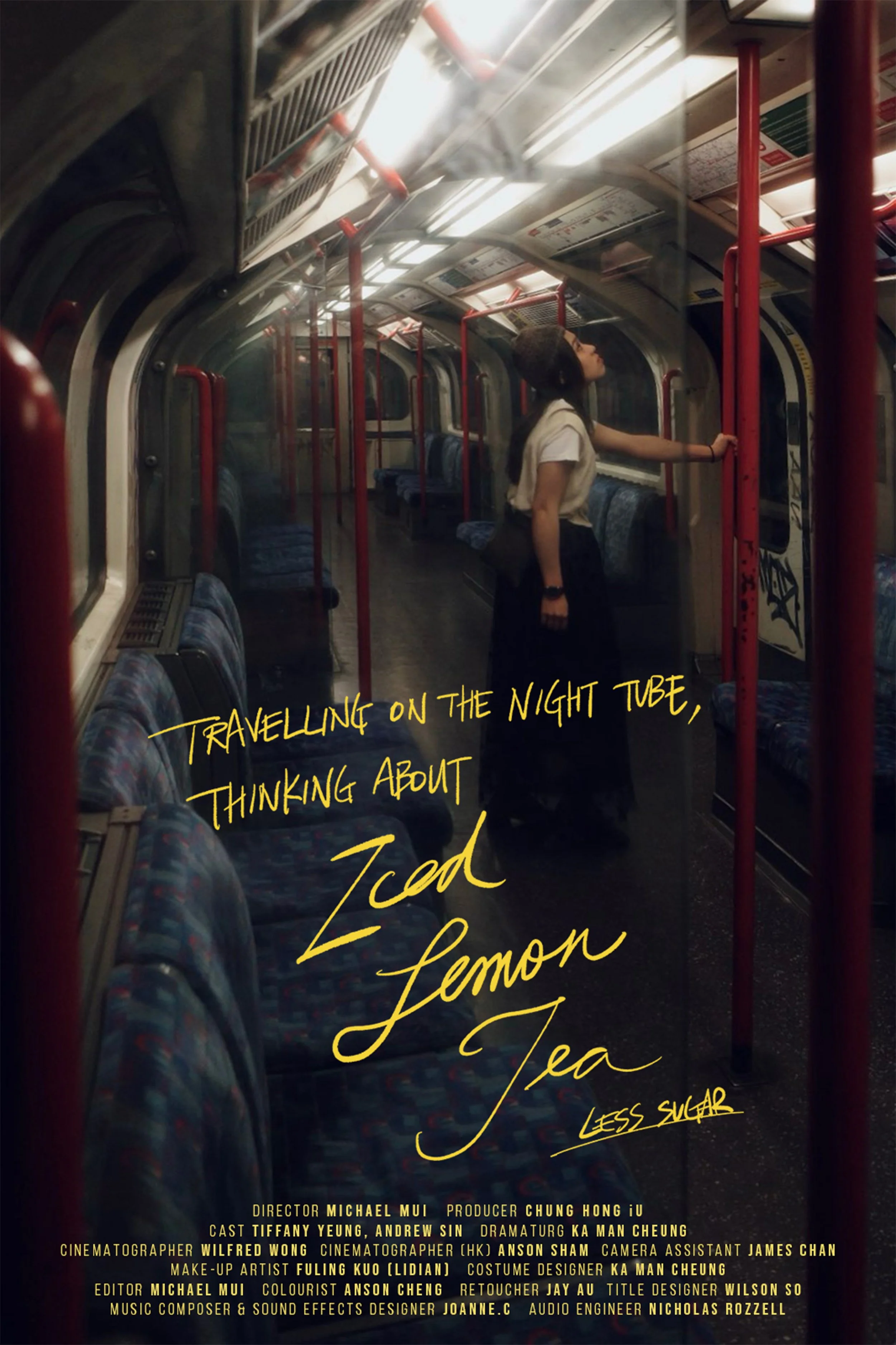
Travelling on the Night Tube, Thinking about Iced Lemon Tea, Less Sugar《徹夜難眠,想起凍檸茶少甜》— Michael Mui | 2025 | 13:23
On a quiet London night, a boy and a girl from Hong Kong meet by chance and travel together on the night tube. She says she is searching for iced lemon tea with less sugar. And he doesn’t ask why. As the train glides through the sleeping city, their conversation wanders between memories and losses. When they arrive at Heathrow Airport, there is only one question that remains: “Where are we going next?”
Q&A with: composer, Joanne Chen.
Sweet, Bittersweet《情人黑森林》— Nicolee Tsin | 2025 | 09:25
Envy, a young and naive Chinese woman searches for love while working at a bakery. When Will, her long-lost crush and customer suddenly reappears, she secretly bakes a cake to impress him. As she escapes through baking, she drifts between fantasy, desire, and memory, until the night forces her to confront her idealism about love.
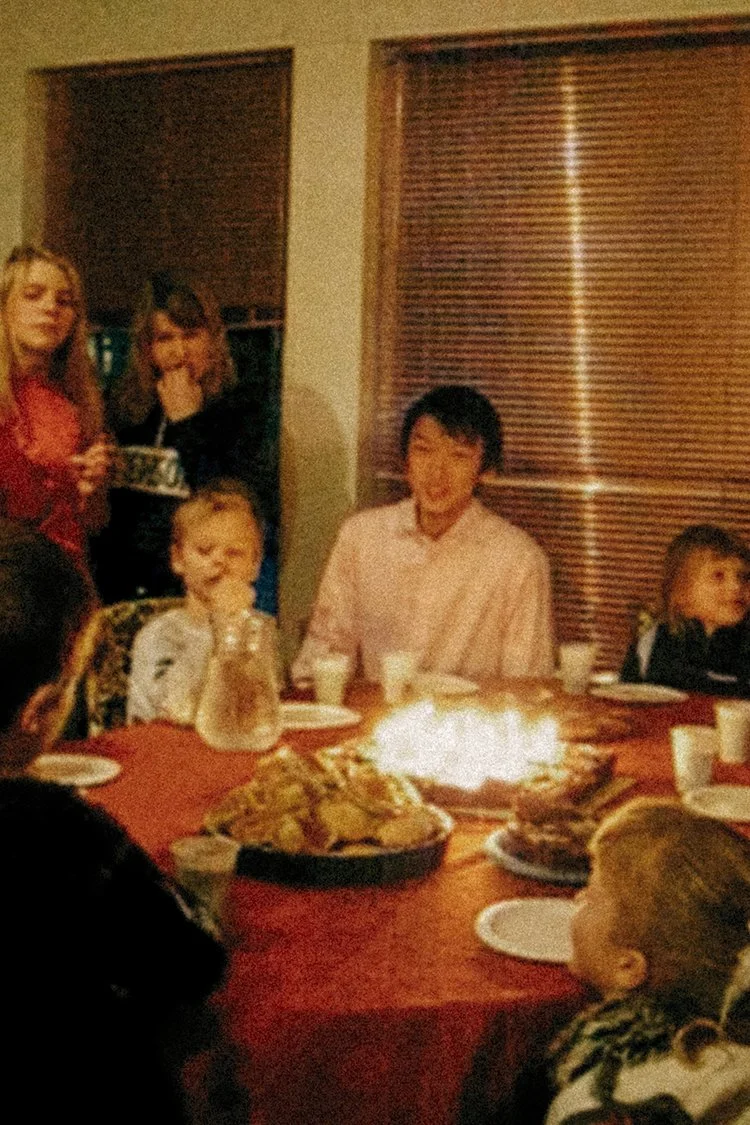
From Hong Kong to Raufarhöfn: the Birthday Archives — Colleen TungShuen Kwok | 2024 | 13:29
When filmmaker Colleen travels to Raufarhöfn—a tiny, vibrant town on Iceland’s northern edge—she retraces the year her classmate Brian spent there 17 years earlier. Bound by a shared birthday and parallel journeys, their stories weave a meditation on diaspora, serendipity, and the quiet ways places shape us.
Q&A with: cast member, Chan Yu Tung Brian.
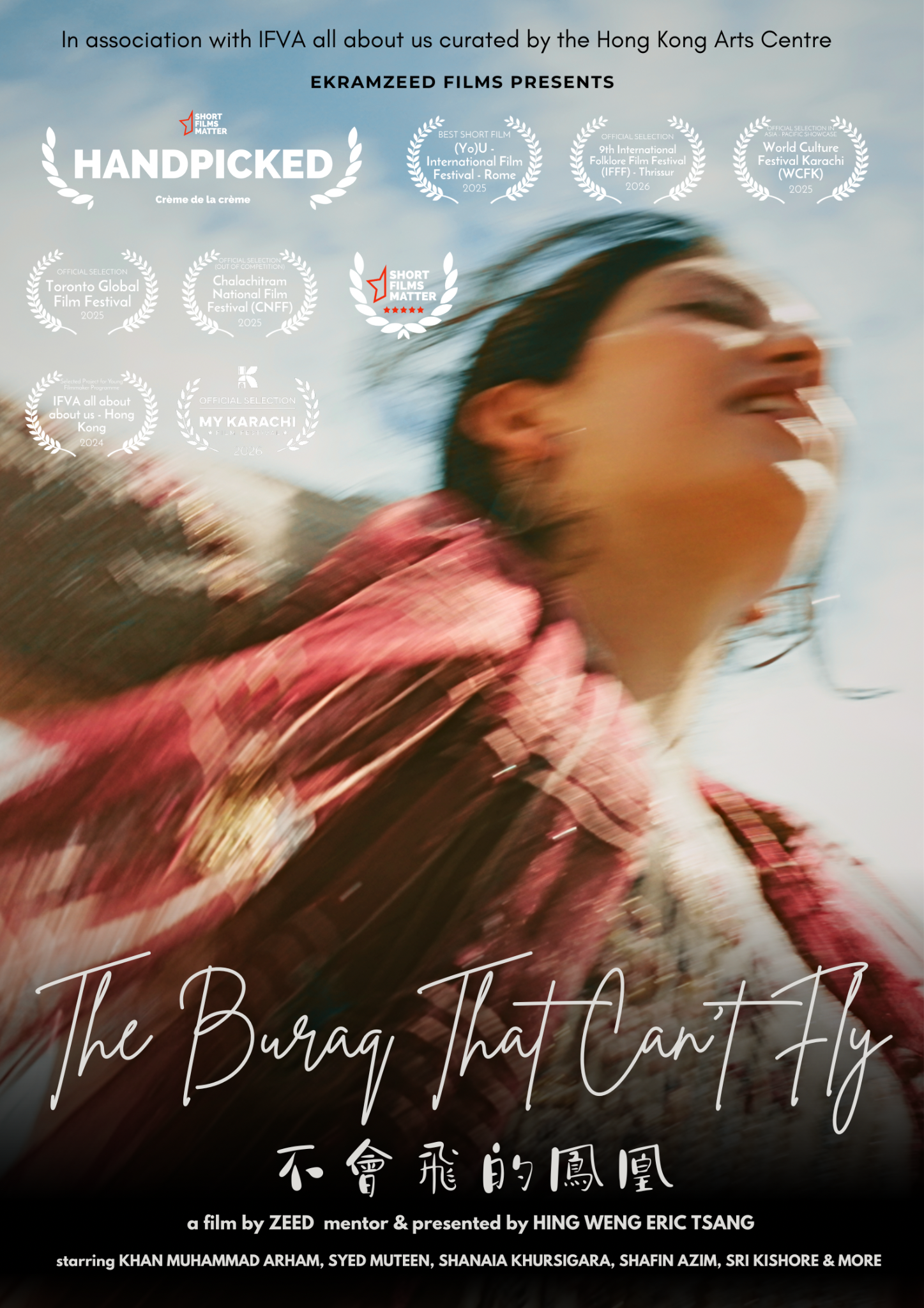
The Buraq That Can't Fly — Zeed | 2024 | 24:18
In bustling Hong Kong, Ayesha, a devoted mother and passionate storyteller, documents her family’s life on a DV camera. As she, her husband Niyas, and their son Rumi balance tradition with modern city life, Ayesha faces criticism from a conservative neighbour. Through stories of a mythical Buraq, she channels her longing for freedom. With Niyas’s support, her filmmaking becomes a quiet act of self‑expression and empowerment.
Q&A with: cinematographer Eric Low; lead actress, Shanaia Khursigara.
Moderated by Jiaying Sim.
The Buraq That Can’t Fly | Zeed | 2024
HK Programme
HK Shorts 2 | 29.08 | 8:15 - 10:00 PM
Gia Fu: Lotus — Rose Ng | 2025 | 05:21
A vibrant new music film for the acclaimed Hong Kong-born Salsa DJ’s latest single celebrating the hybrid cultures that inspire her. Gia Fu calls herself Hong Kong’s Mambo Girl, partly alluding to her long-standing research into Afro-Latin music – particularly Salsa and its associated rhythms – and its relationship with her Chinese heritage. A star in international Latin music, this Hong Kong-born DJ and vinyl collector has played global festivals and produced a salsa album for Grammy nominee Angel Meléndez. Directed by Hong Kong-based Australian filmmaker Rose Ng, this film is a NOWNESS ASIA original.
Q&A with: director Rose Ng.
《縊》A Missing Scene from Floral Princess: An Untold Suicide of the Last Ming Emperor — Kitty Yeung | 2025 | 25:24
This experimental short film blends Cantonese Opera and modern dance to reenact the suicide of the last Ming emperor, Chong-zhen, and his faithful eunuch, Wang Sing-yan, on their way to the summit of Coal Hill to end their lives. Apart from inviting new perspectives towards their ambiguous queer overtones, the film also explores the crossroads of life and death, authority and obedience, love and sacrifice, power and duty, that befall under the traditional patriarchy.
Q&A with: director Kitty Yeung.
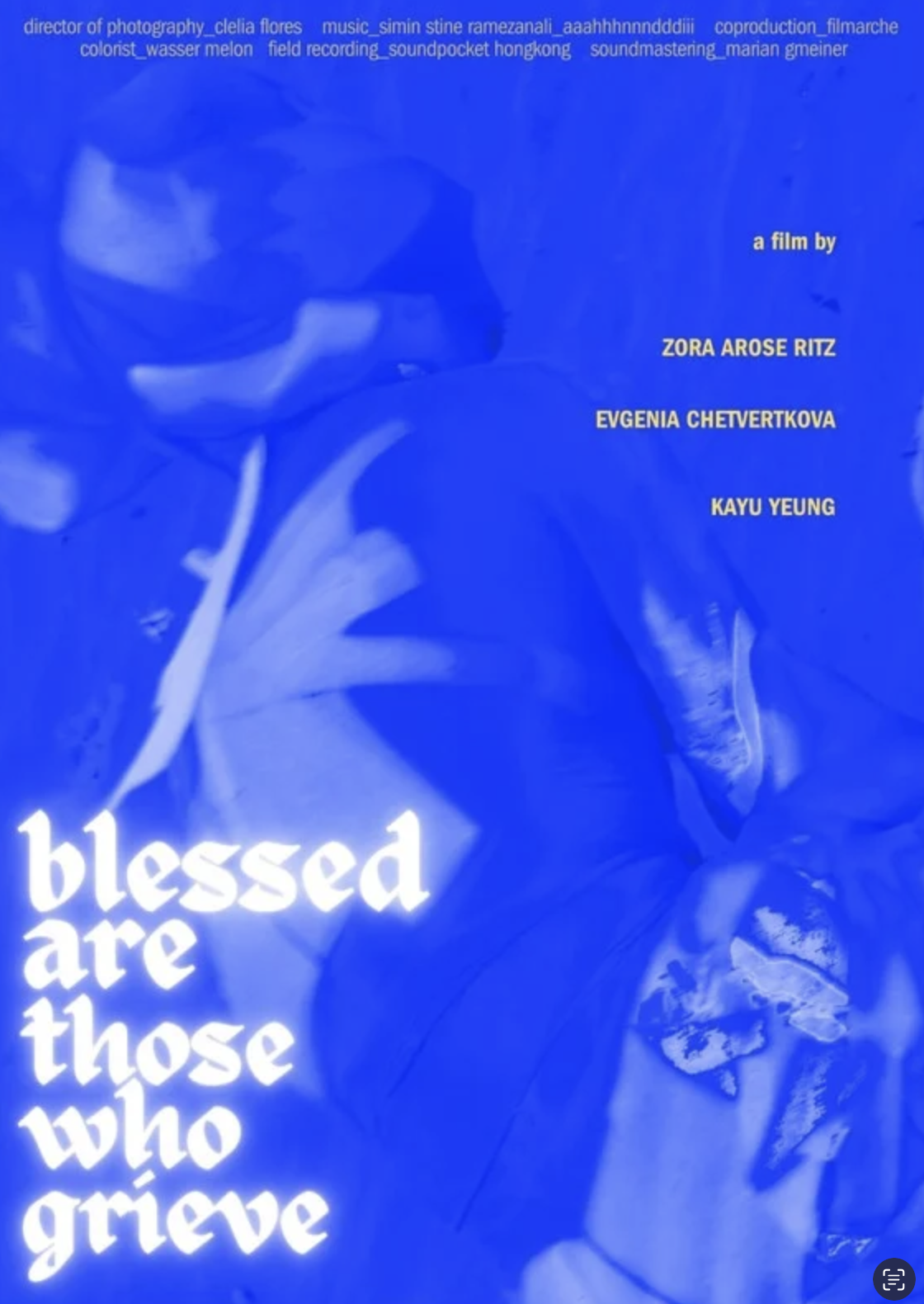
Blessed Are Those Who Grieve — Zora Arose Ritz, Evgenia Chetvertkova, Kayu Yeung | 2025 | 14:21
A collective experimental short and essay film, this project explores a surreal inner landscape where two performers channel immense sorrow through sand and slime. The creators’ physical gestures of mourning are captured via 3D scanning and transformed into digital copies, merging two bodies into one to question how we can truly share our sorrow. In a third space existing beyond memory and reality, this grief is born as a living creature.
Q&A with: director Kayu Yeung.
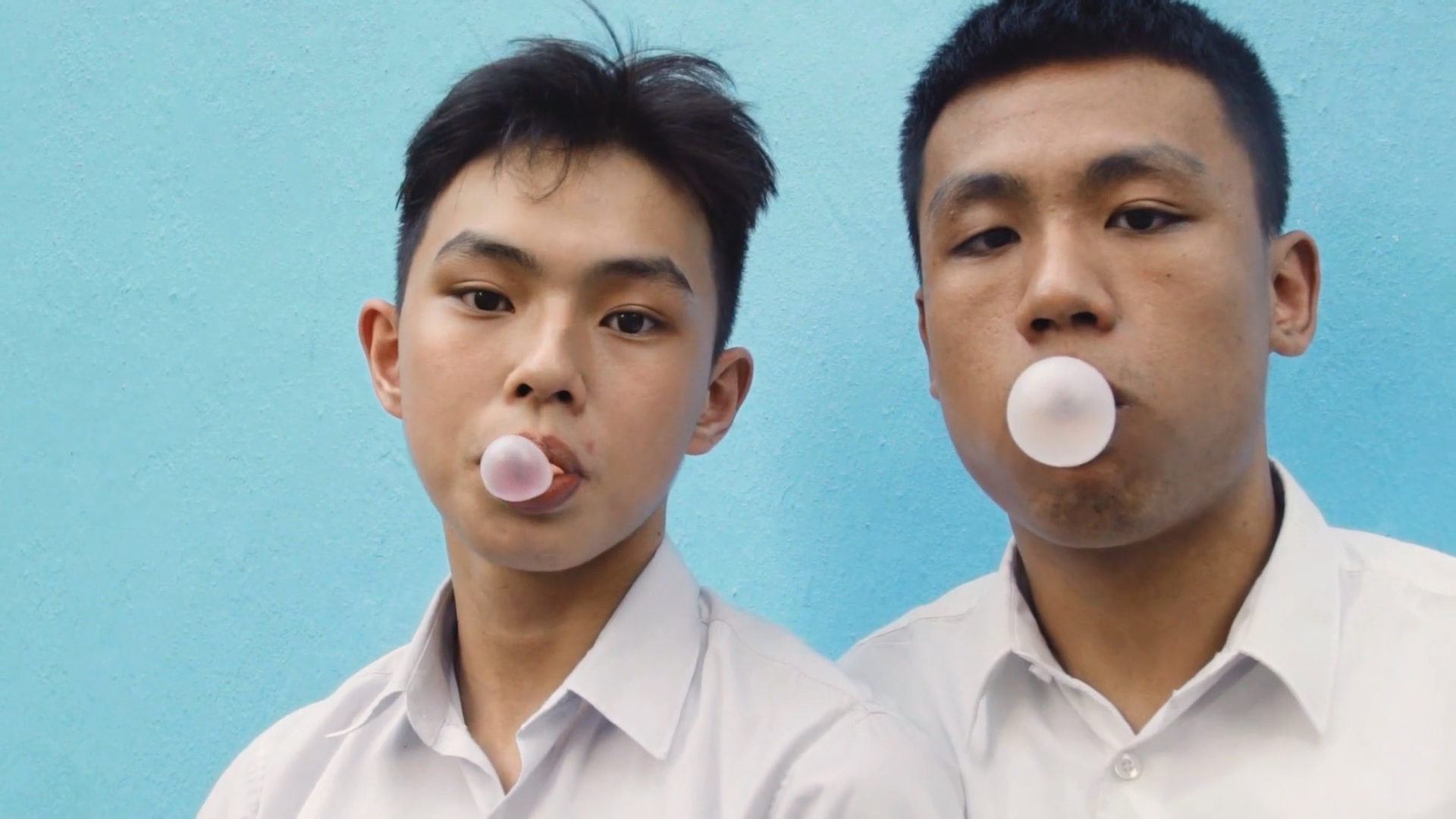
Boys of Hong Kong — Luke Casey | 2018 | 07:13
A sensual exploration of maleness, and of new articulations of masculinity, amongst the youth of Hong Kong. This short documentary serves as a companion piece to a zine by photographer Alexandra Leese. It features a series of intimate portraits that present a spectrum of the city’s young men, aimed at dismantling stereotypes of Asian masculinity and celebrating the diversity of male beauty in Hong Kong.
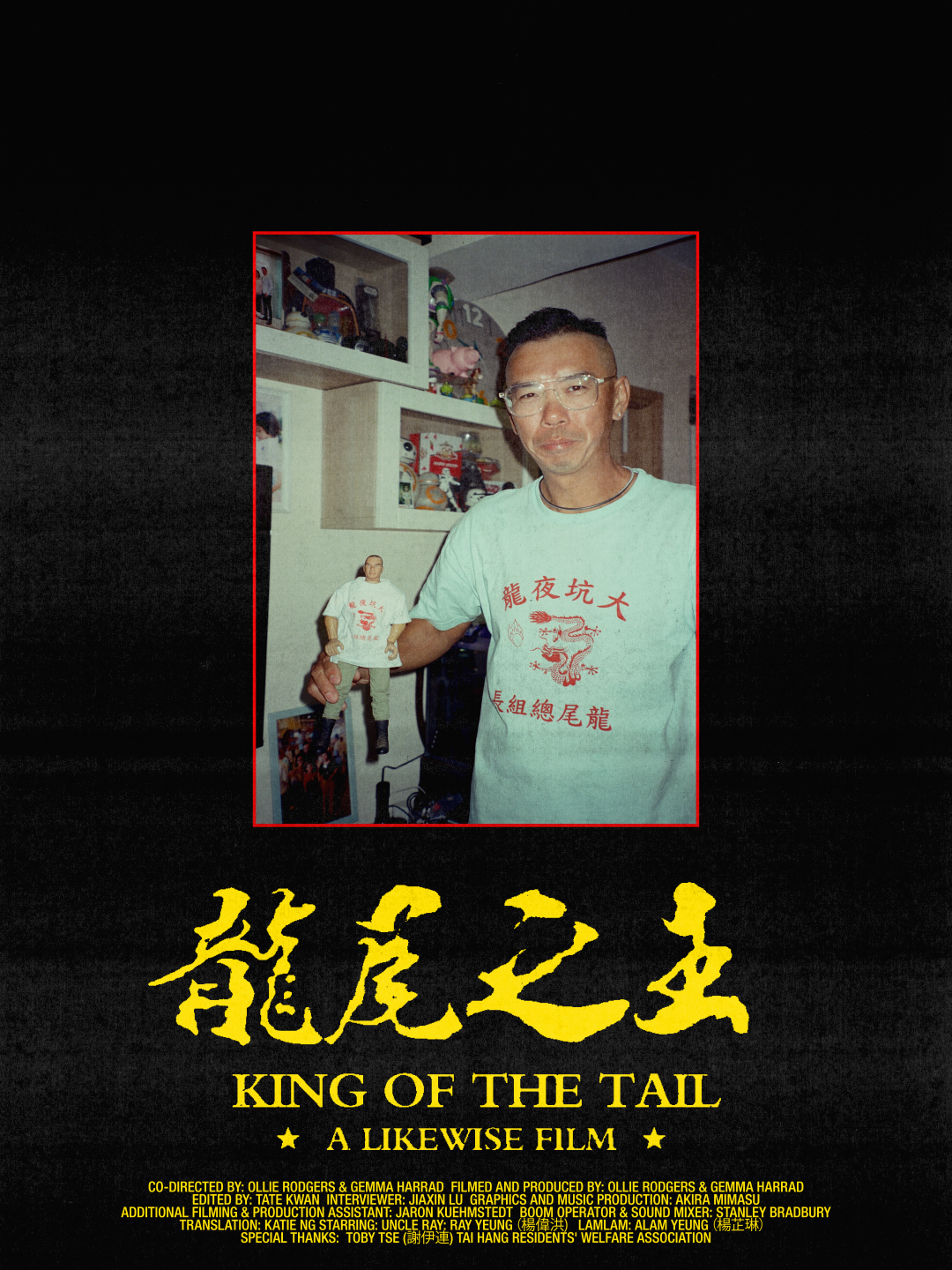
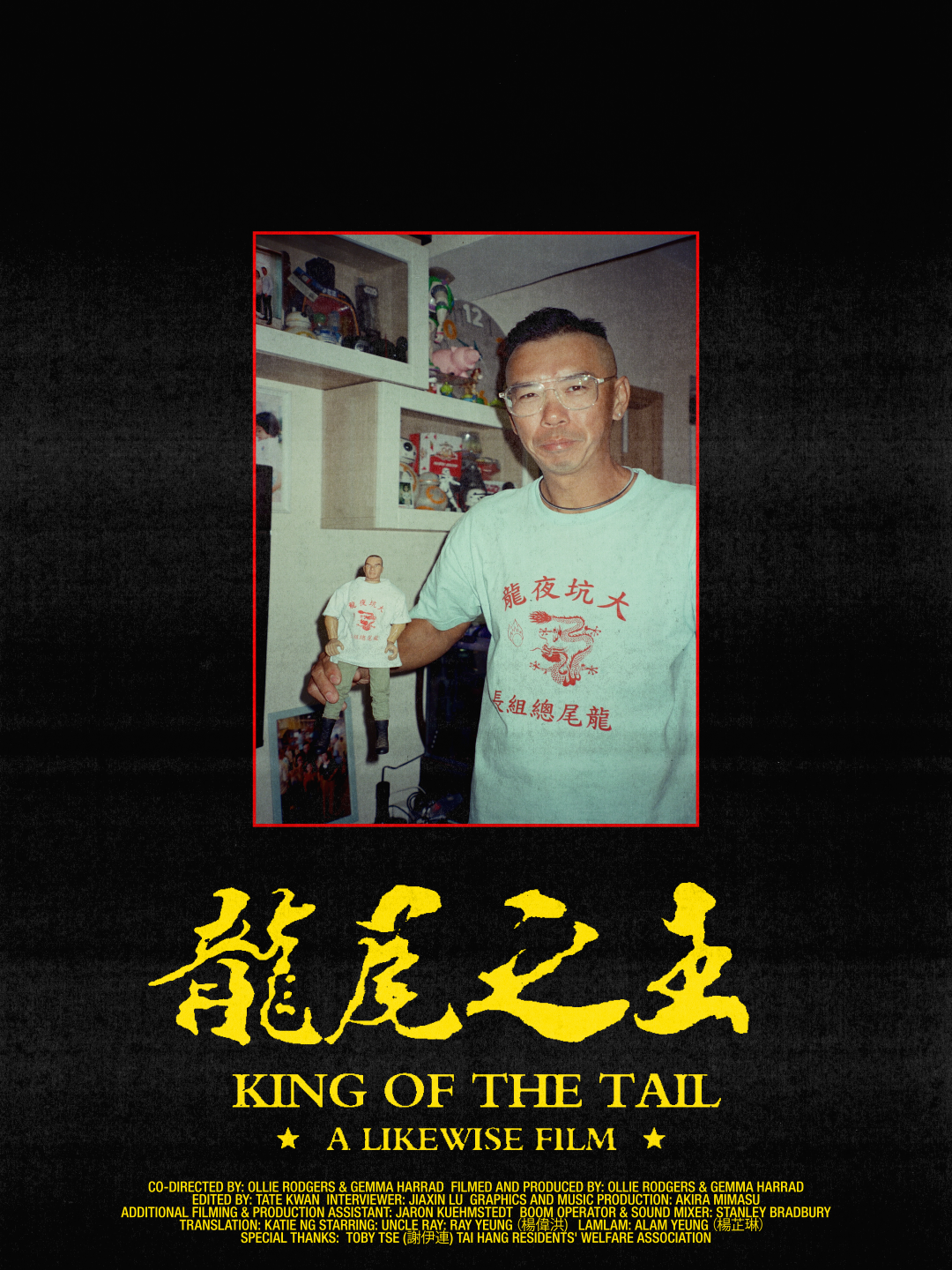
King of The Tail — Ollie Rodgers and Gemma Harrad | 2026 | 06:09
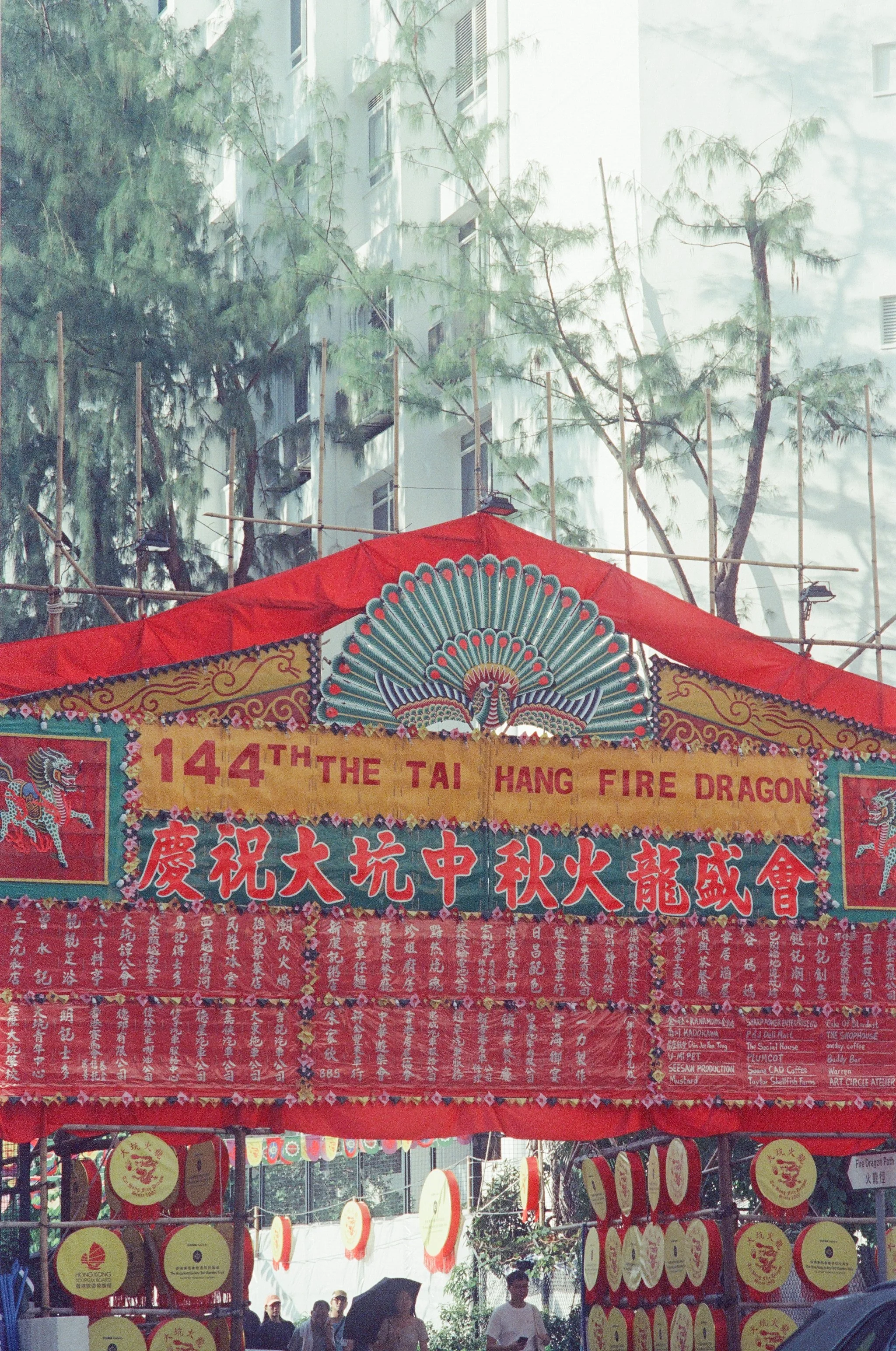
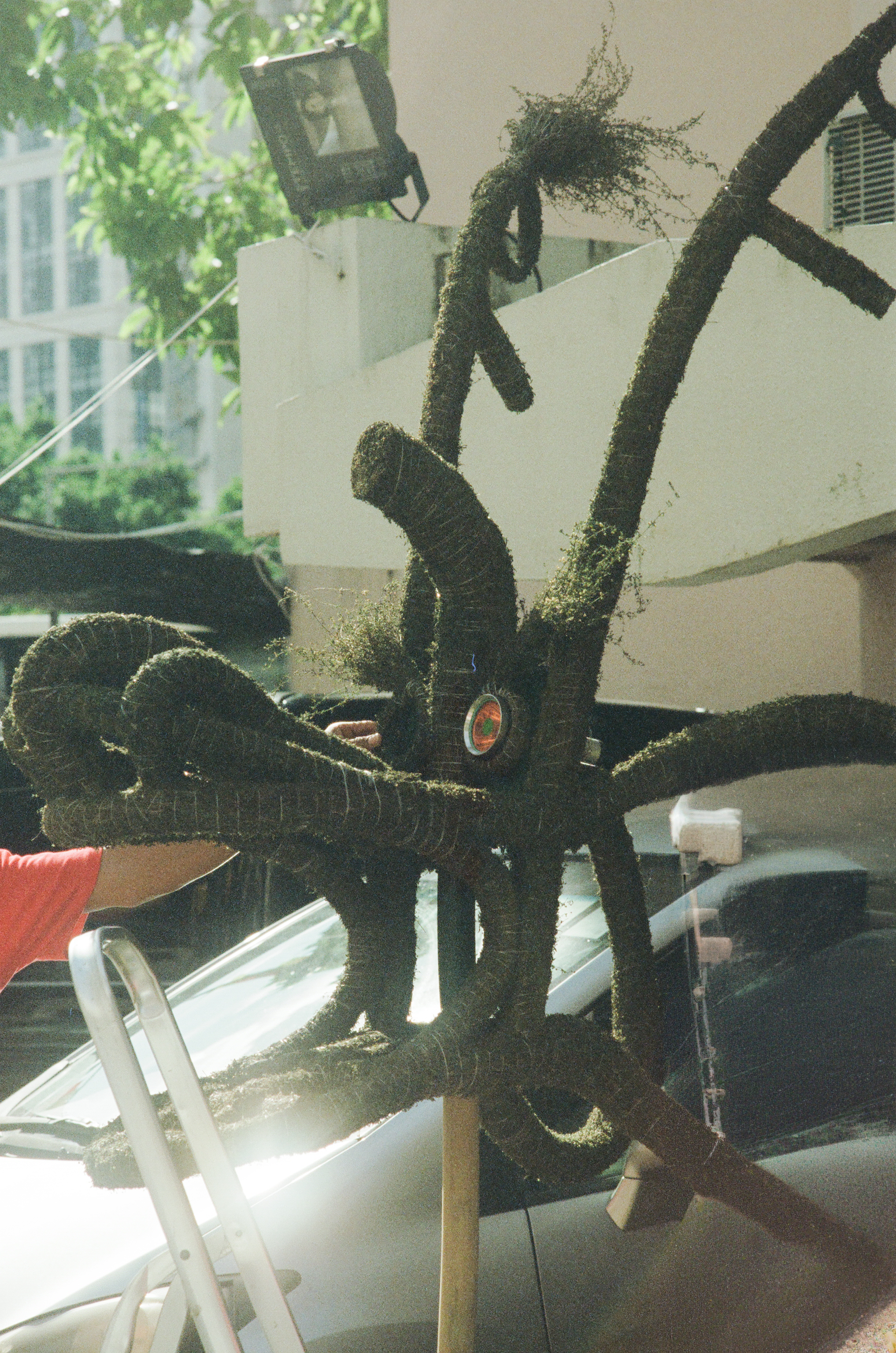
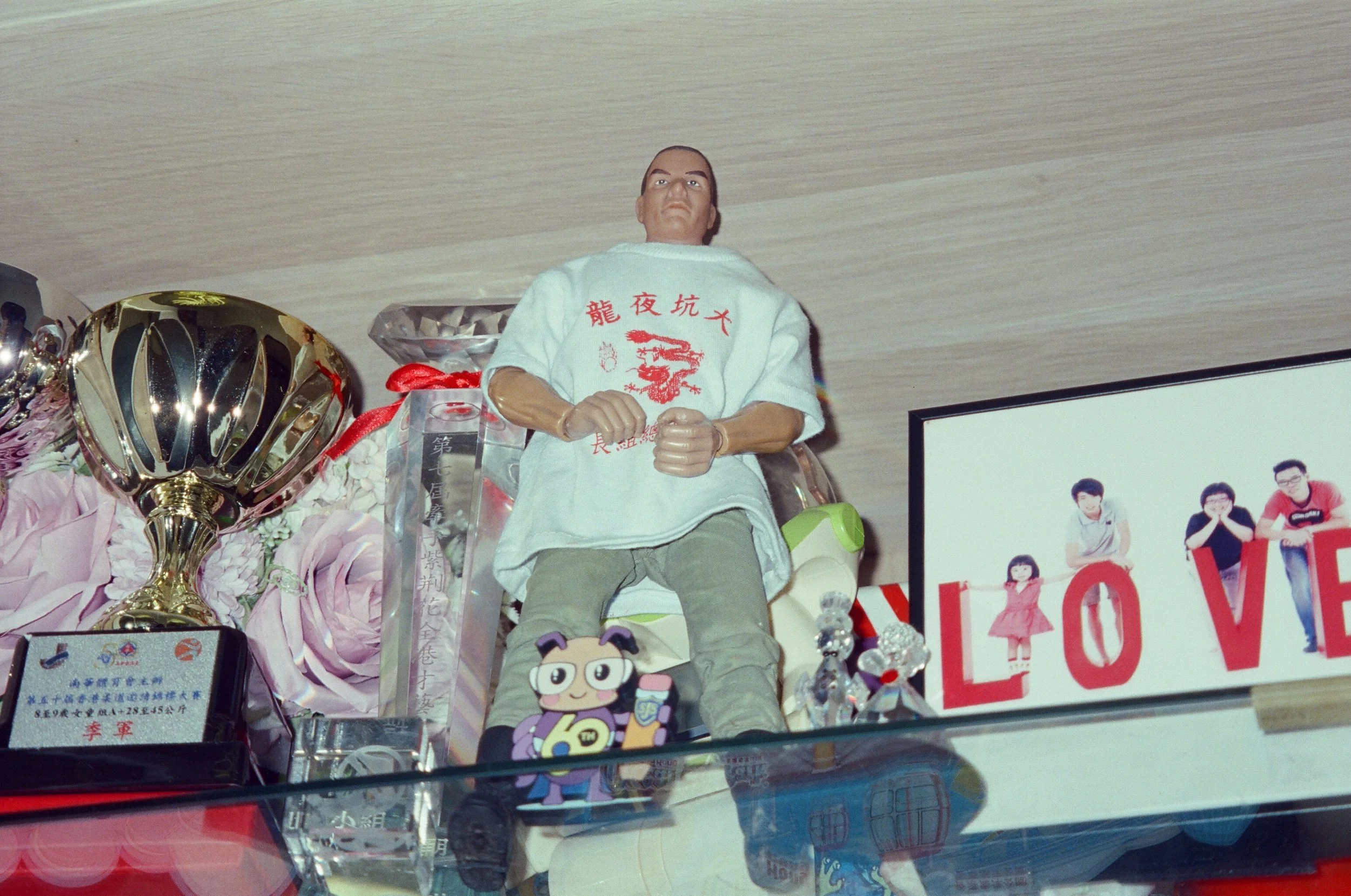
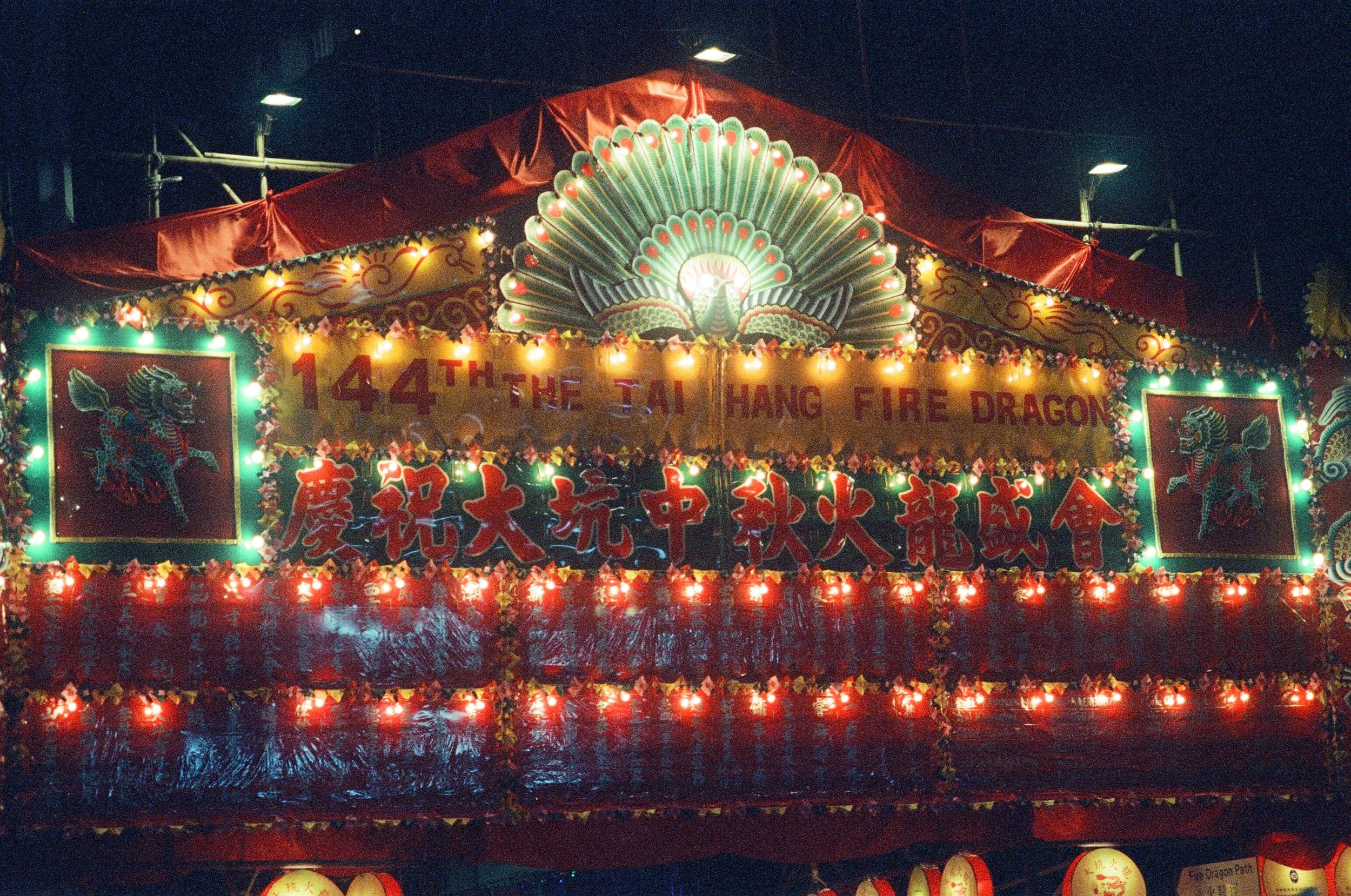
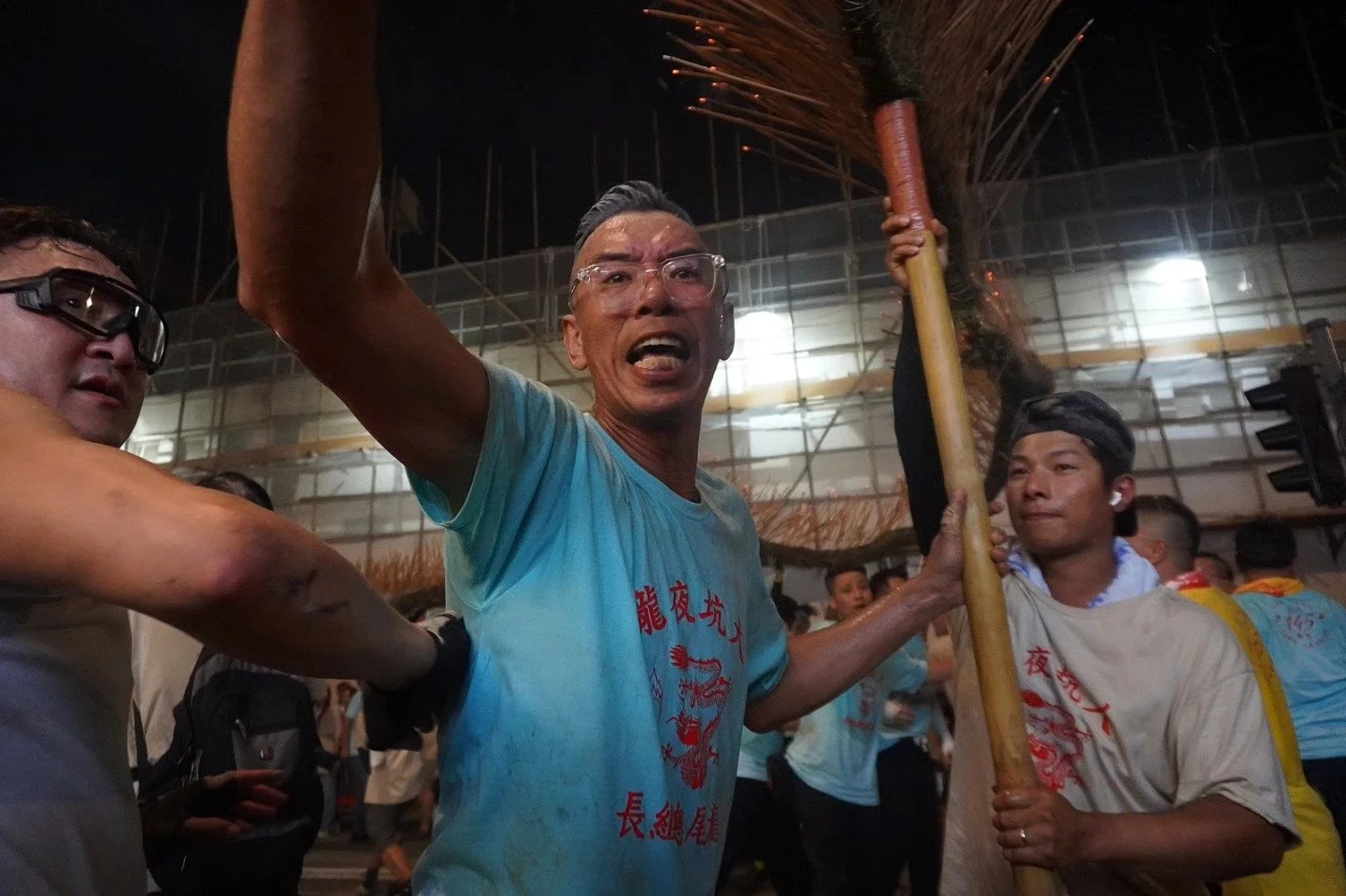
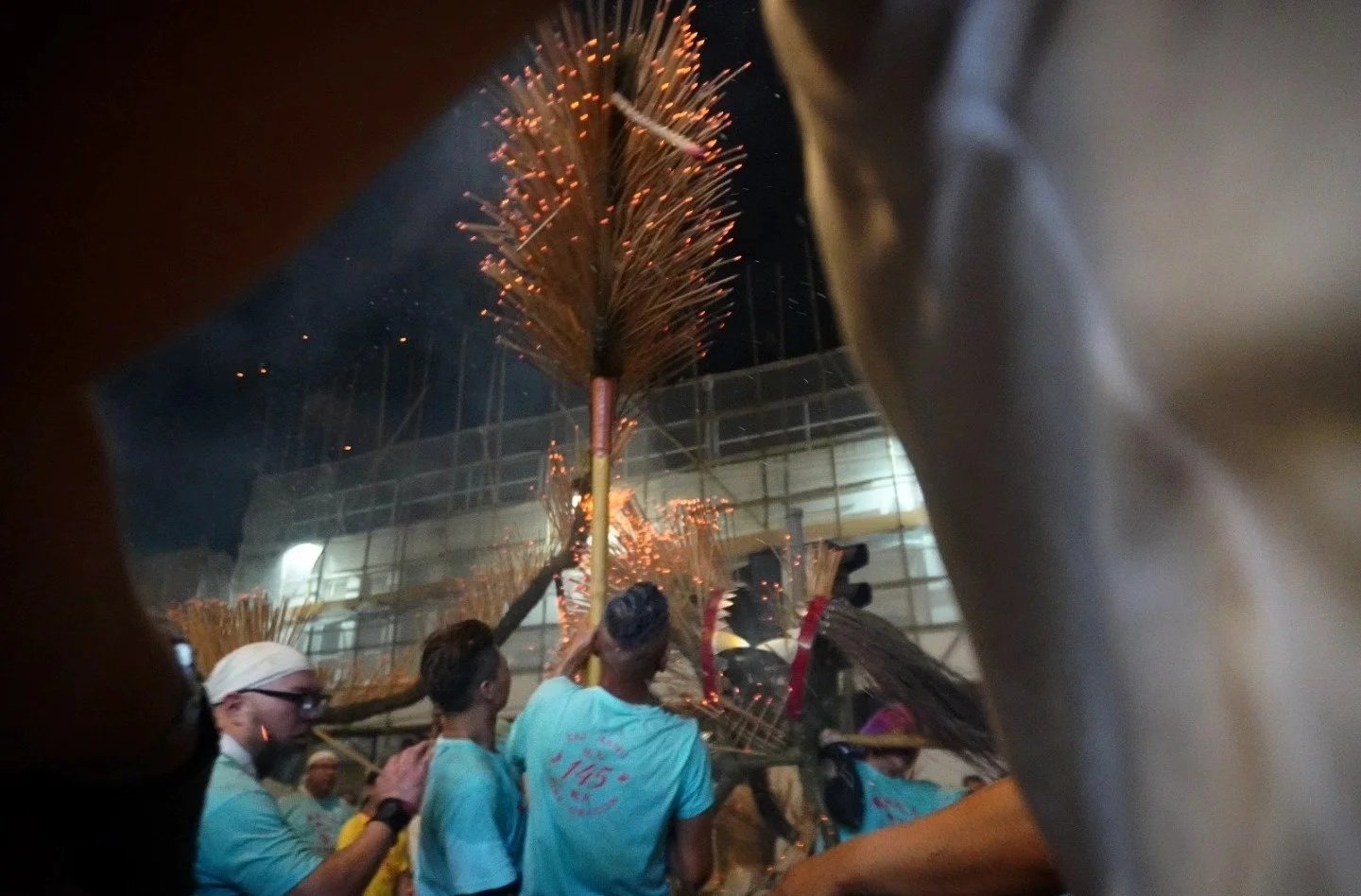
King of the Tail is a short documentary by independent media platform Likewise that tells the story of Uncle Ray, a Tai Hang Jai who has been a part of the Fire Dragon Dance Festival since the age of six. Thrilling, spiritual, and chaotic, this film chronicles the Tai Hang Fire Dragon Dance through the lens of Uncle Ray, with three days of celebration, emotion, and occasional burns.
Q&A with co-director Ollie Rodgers.
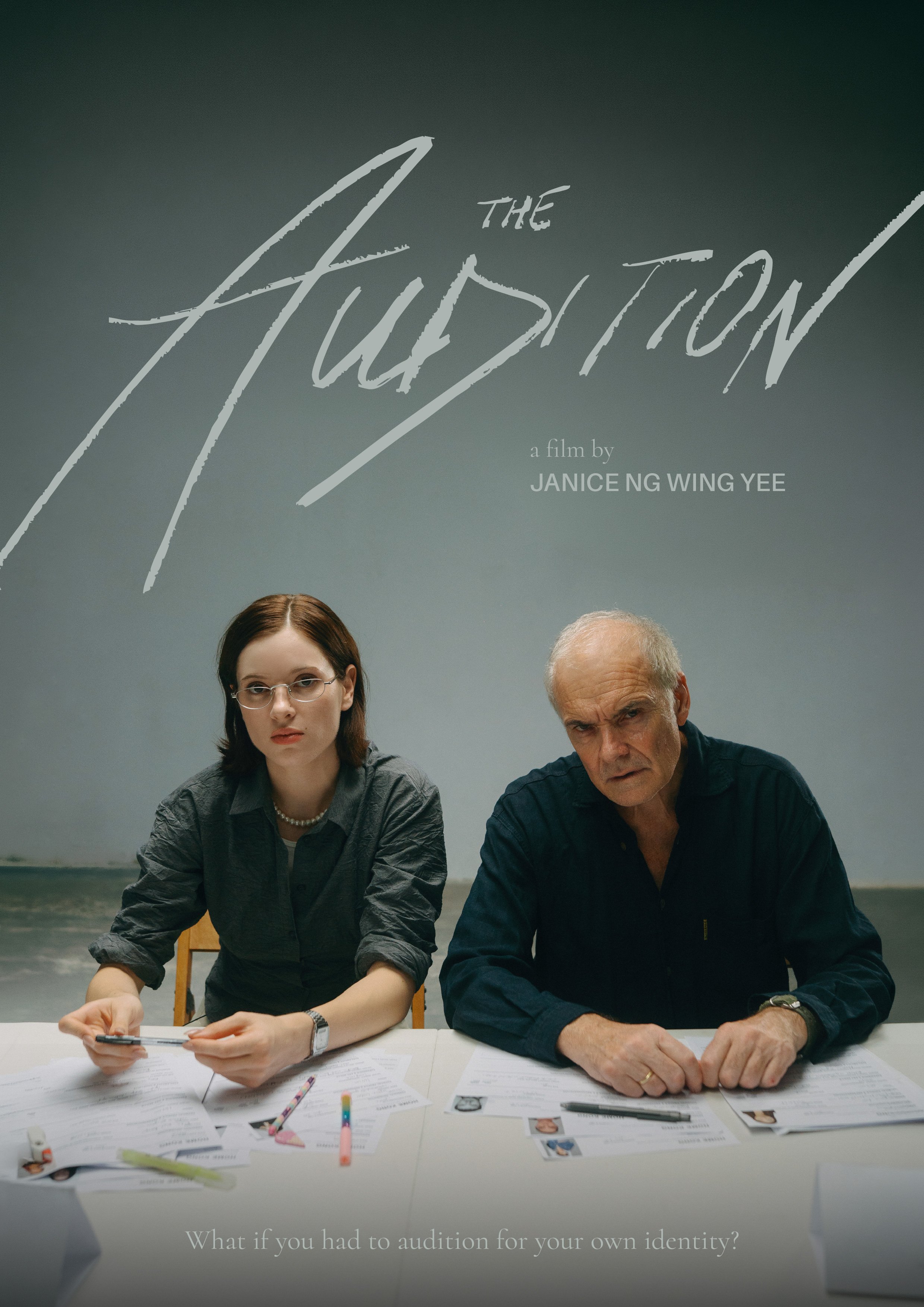
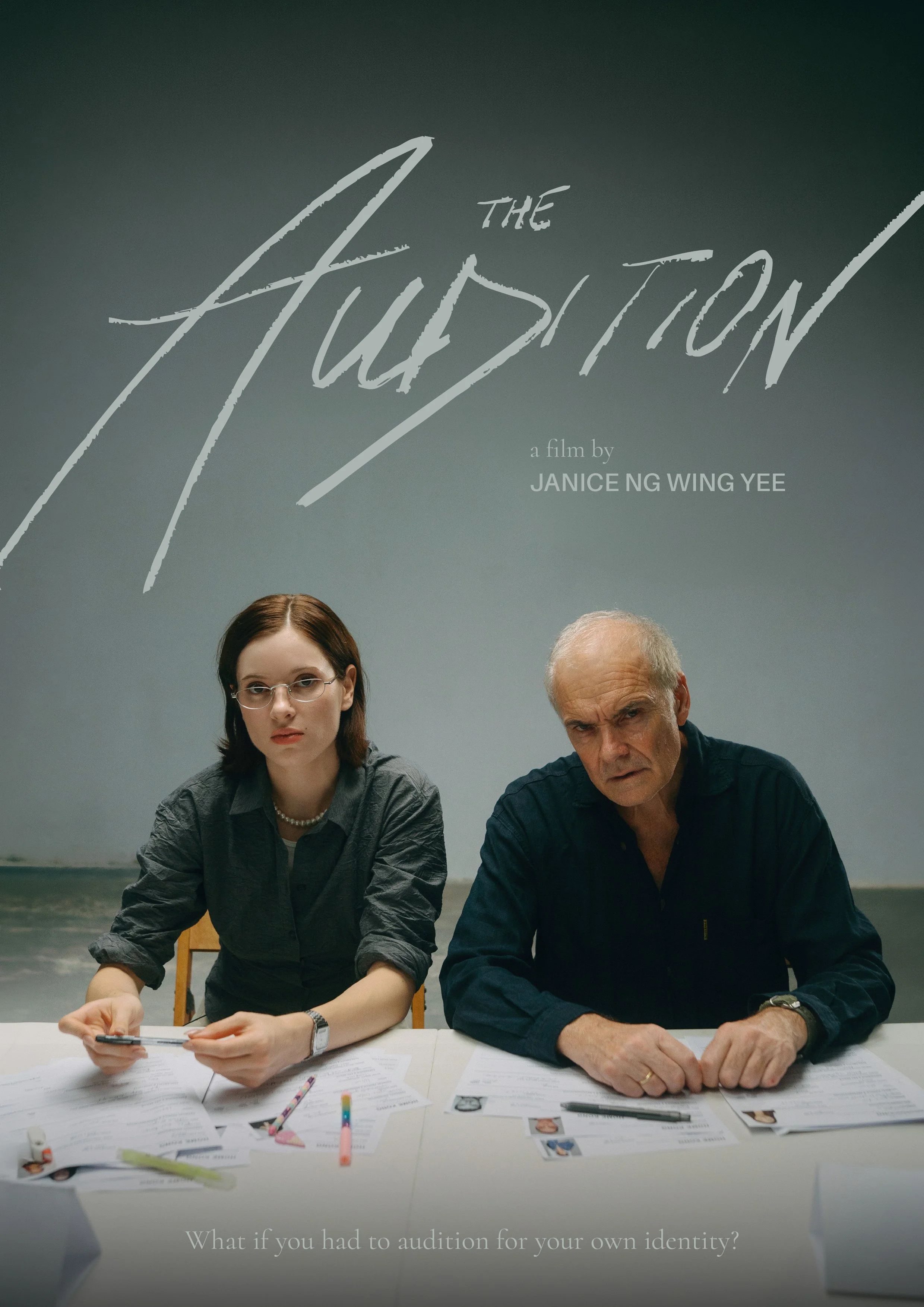
The Audition — Janice Ng Wing Yee | 2026 | 12:00
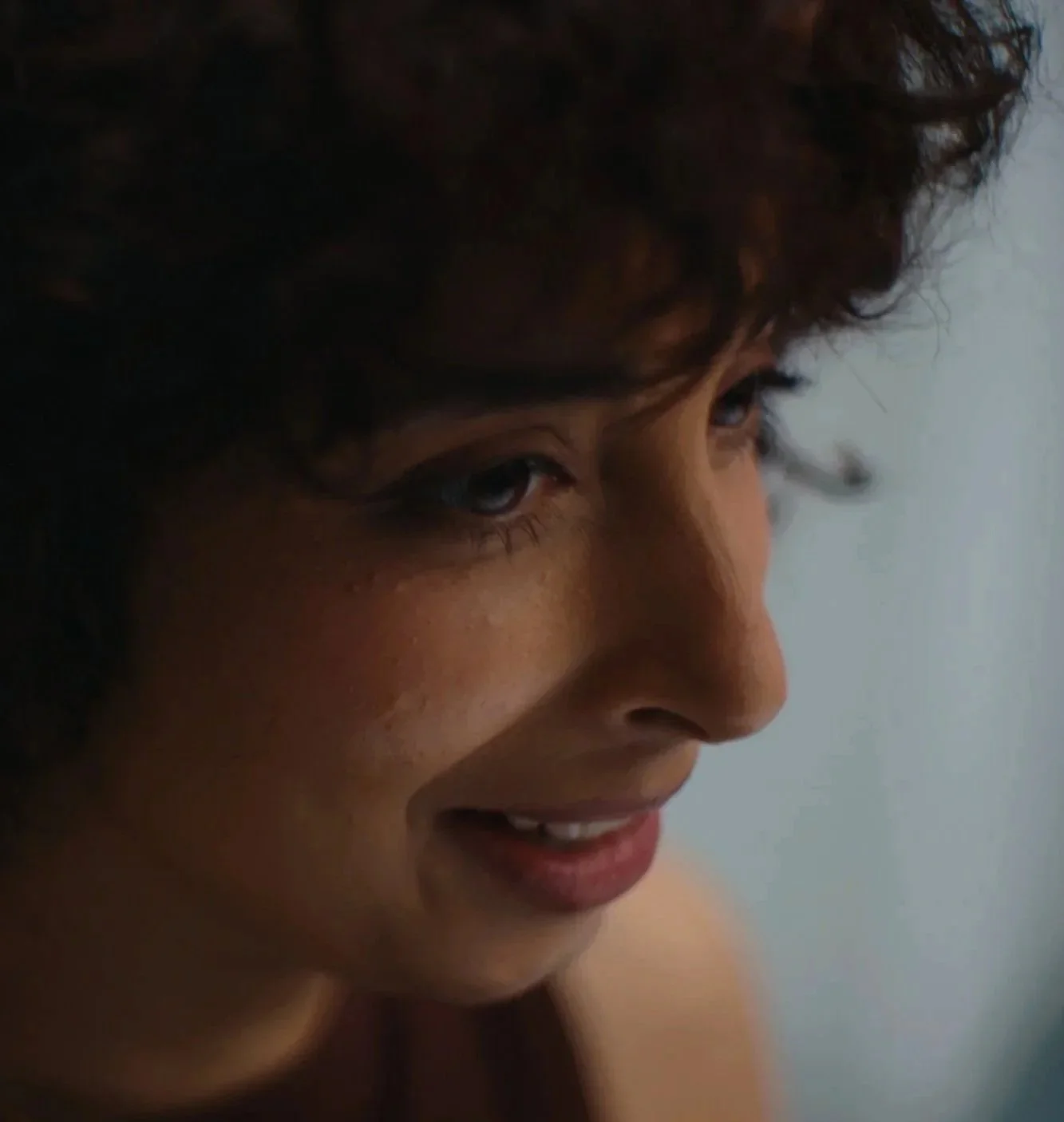
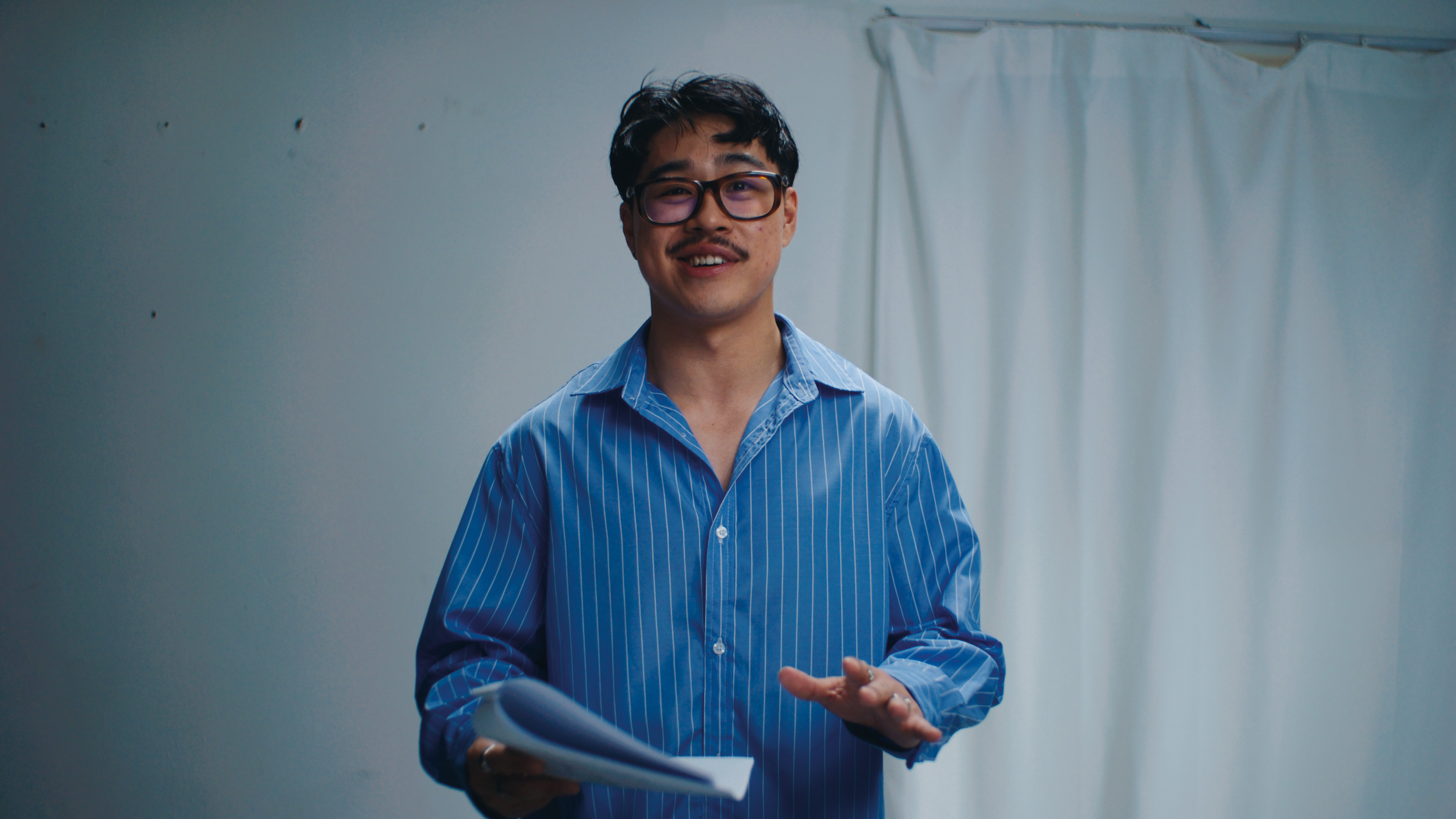
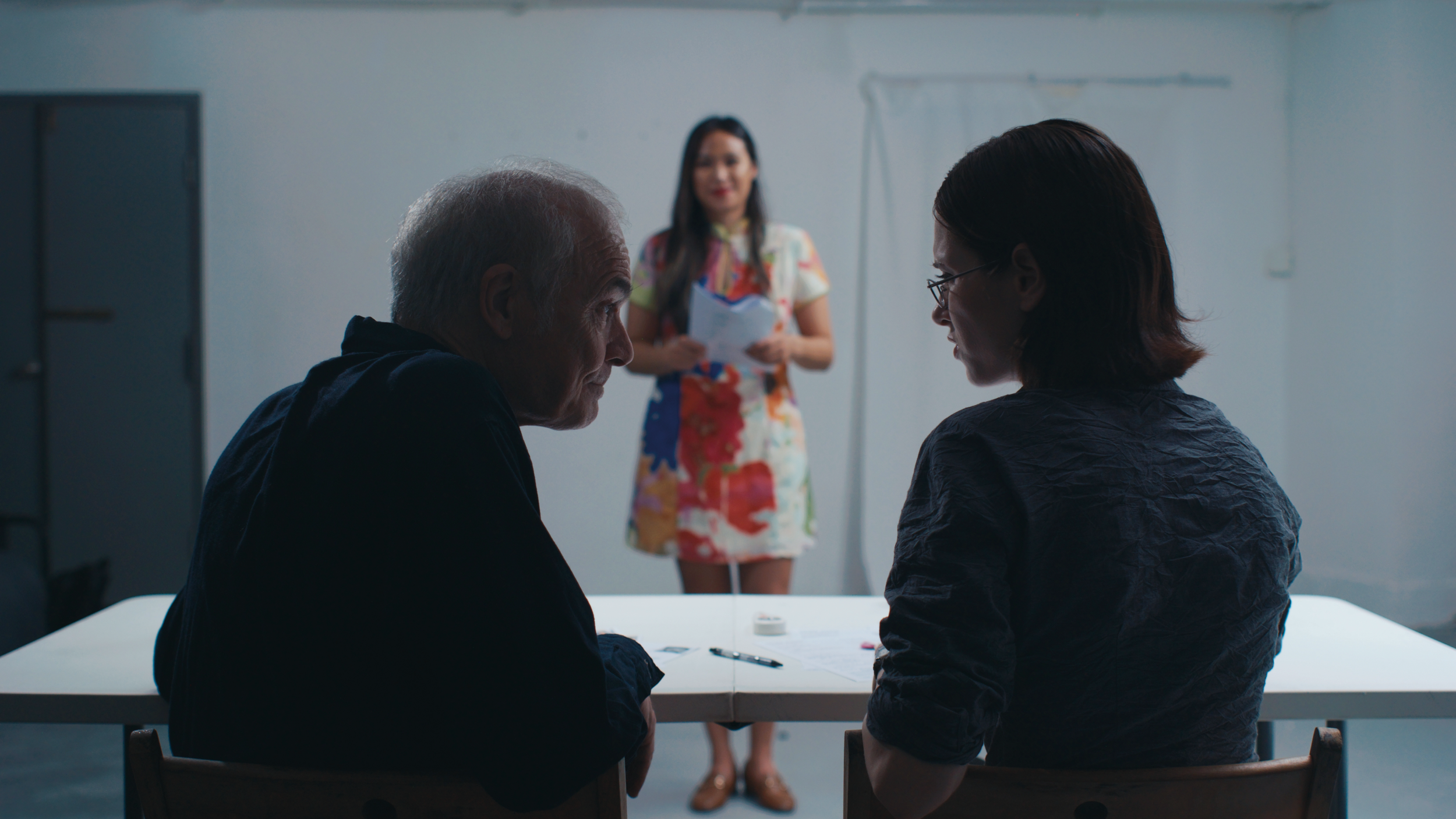
In a Hong Kong audition room, a group of local third-culture youth clash with a Western director over his fetishised vision of their city, turning a routine audition into a sharp confrontation over cultural ownership and belonging. The Audition explores the absurdities of cultural gatekeeping and the feeling of being an outsider in your own hometown; it’s a satirical short film that turns a regular audition space into a microcosm of contemporary Hong Kong, capturing the tragic reality of a generation forced to prove their own heritage to outsiders who claim to know it better.
Q&A with director Janice Ng Wing Yee and DOP/colourist Justin Tang King Man.
Eastern Margins Pres. Respect Our Elders— Thierry Phung | 2021 | 03:39
Eastern Margins celebrates the cultural wisdom of their forebears with Respect Our Elders: a performance showcase of four intergenerational collaborations between artists of the Asian diaspora. This short film grounds its focus: a montage of crowdsourced footage from East & South-East Asian & its diaspora, sewn together with intimate interviews from members of the Eastern Margins community. "Our Elders have stood resilient against anti-Asian racism and discrimination for generations before us. This is our celebration of them." – Eastern Margins.
Heart of the Lion — Rosanna Lee | 2026 | 19:58
A short documentary about purpose, belonging, and creative expression. The film follows Kelvin Chan, a British-born Chinese lion dancer, as he navigates life in London and Hong Kong — from the sports hall and Chinatown to his ancestral village and the Tin Hau festival. Through his commitment to lion dance and martial arts, the film explores ideas of ‘home’ and how creative and spiritual rituals provide a sense of anchoring.
Moderated by Sophie Colfer.
Gia Fu: Lotus | Rose Ng | 2025
HK Programme
TCFF Shorts 2 | 30.08 | 8:30 - 10:00 PM
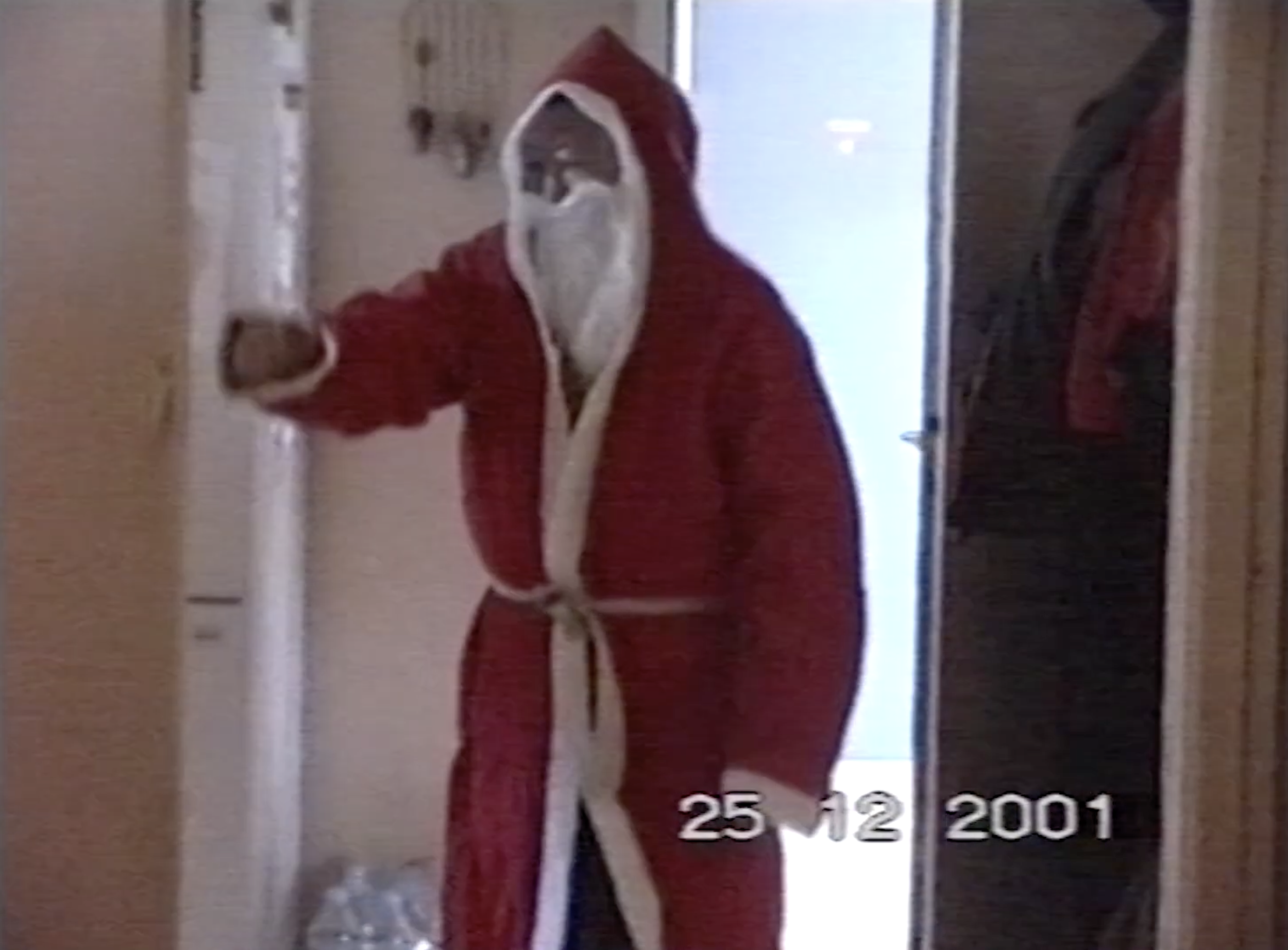
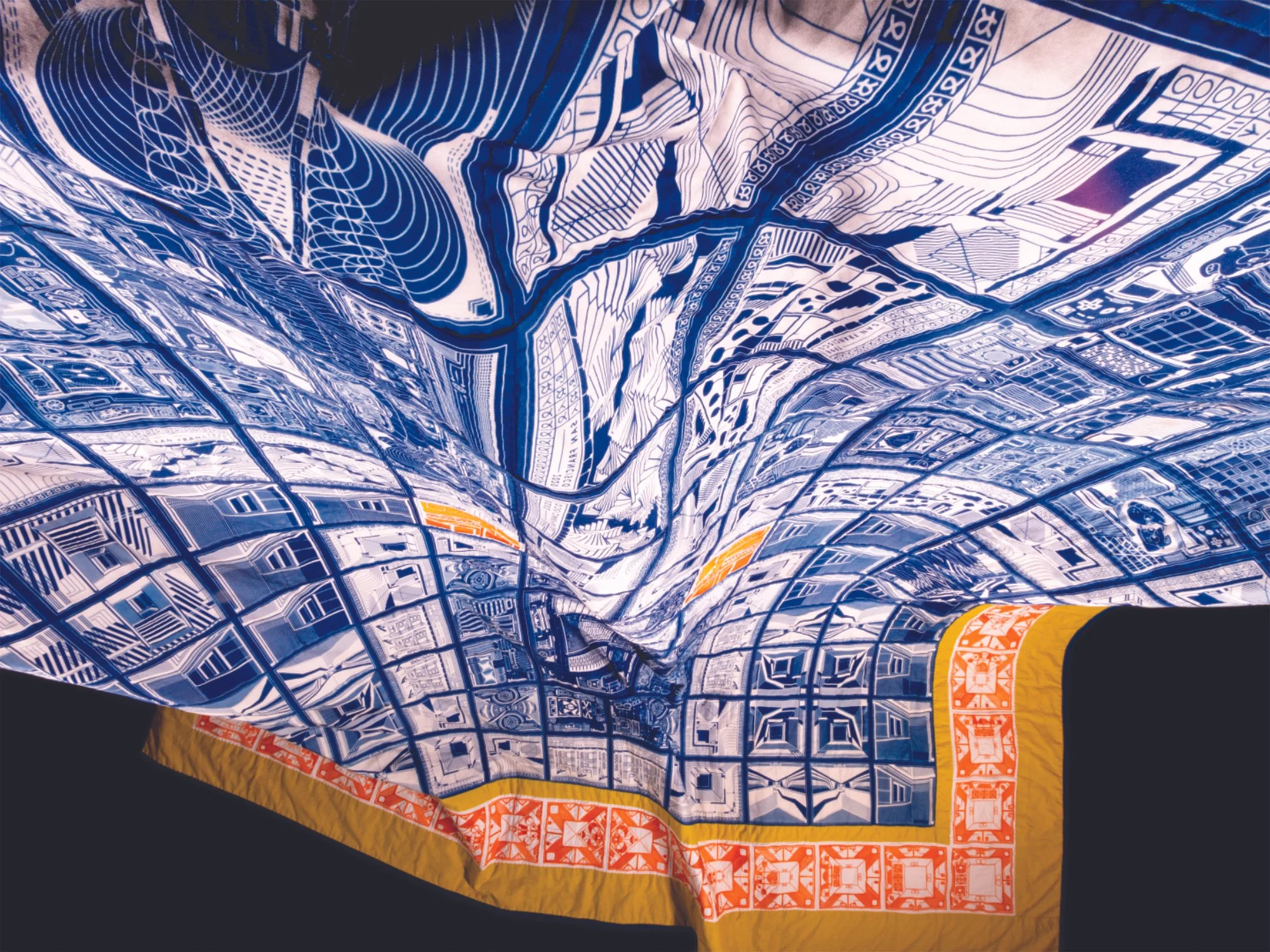
I Would’ve Been Happy — Jordan Wong | 2023 | 08:52
The short, stop-motion animated film is an attempt to map a fraught relationship through the use of intricately coded pictographs and schematic abstractions applied onto glazed ceramic tiles and quilted cyanotype fabric. The aesthetics of architectural language are used to reconstruct memories of the filmmaker’s family's domestic spaces in the hope to uncover logic to a broken home. It essentially recalls the relationship of the filmmaker’s immigrant parents originally from Hong Kong and the difficulties of living in the States with a partner one doesn’t know well.
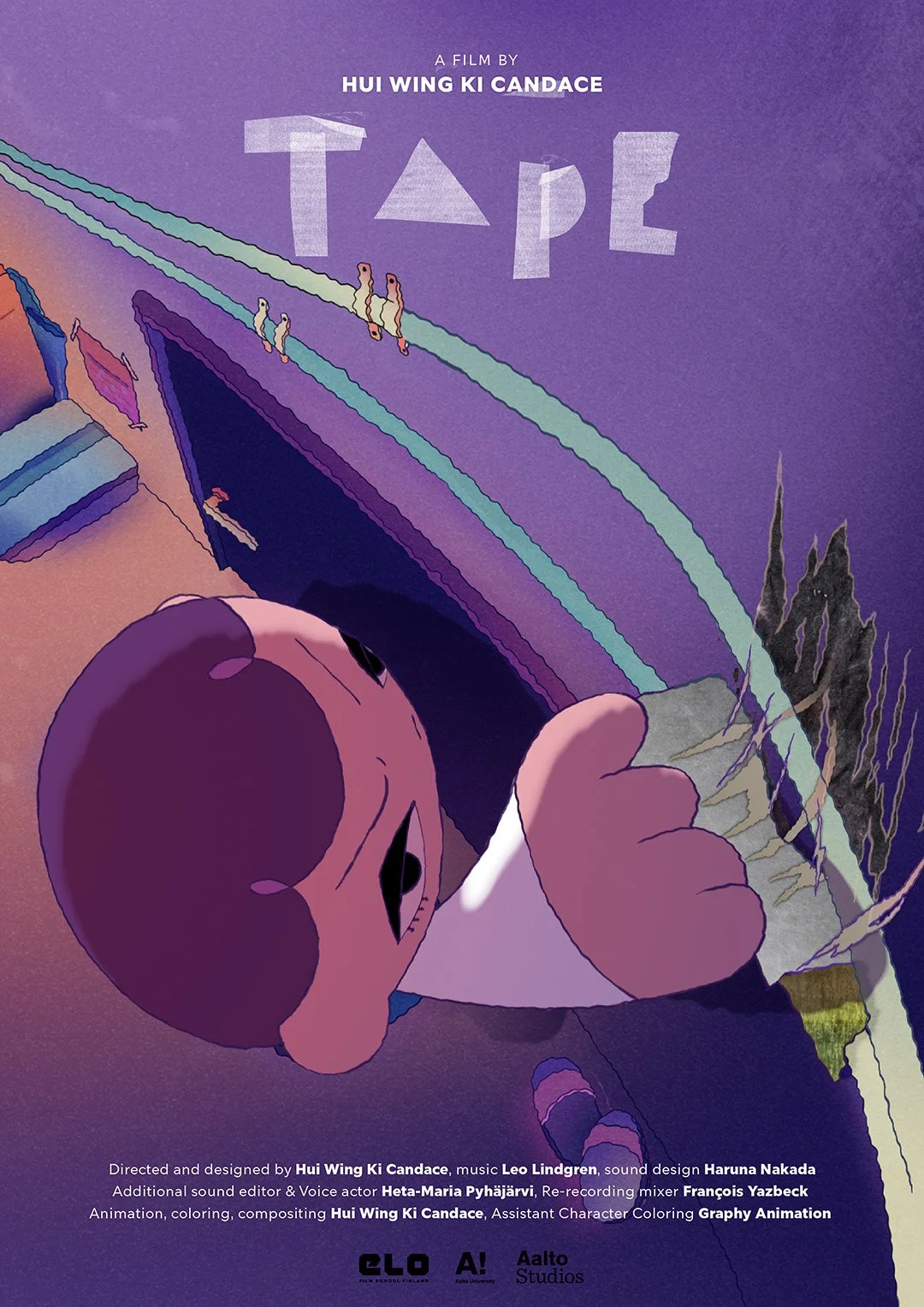
Tape — Hui Wing Kee Candace | 2024 | 05:47
A piece of plastic tape takes a young woman on an emotional journey through memories she thought were long forgotten. Inspired by the creator's transition from Hong Kong to Finland, the film explores a childhood home where plastic tape held together not just furniture but bittersweet emotions tied to her roots. Tape is an evocative short animation rooted in the creator's personal connection to home. Inspired by the transition from Hong Kong to Finland, the story reflects on the time spent in a Hong Kong house filled with plastic tape-repaired furniture, embodying an irritating sensation. The animation delves into themes of emotional cognition, emphasising the sticky, tactile experiences that resonate deeply with viewers.
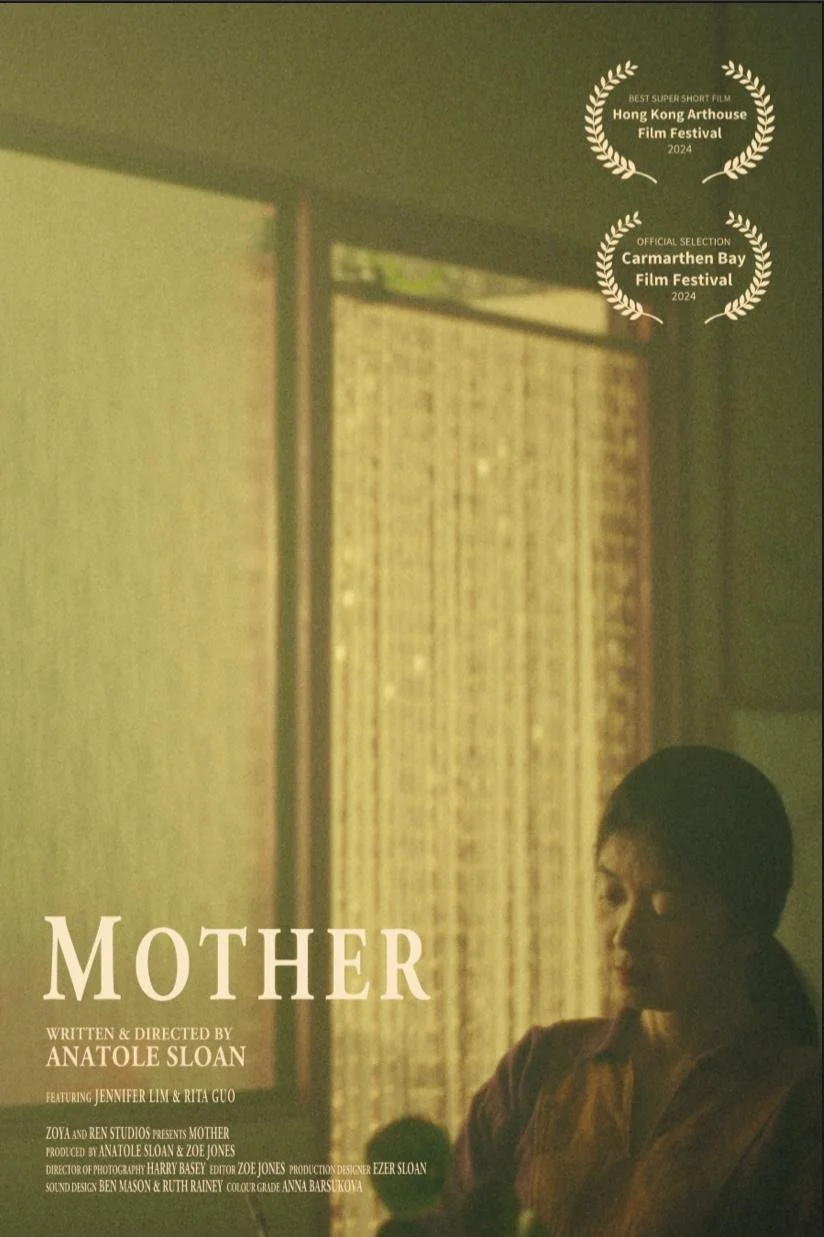
Mother — Anatole Sloan | 2024 | 03:49
A micro-short film set within a single scene, MOTHER follows an interview between two women, the calm and procedural nature of their exchange belying a life-changing decision. It is a quiet film about choice, unequal power, and hidden worlds.
Screening alongside other shorts curated by Harry Oram of The Third Culture Film Festival.
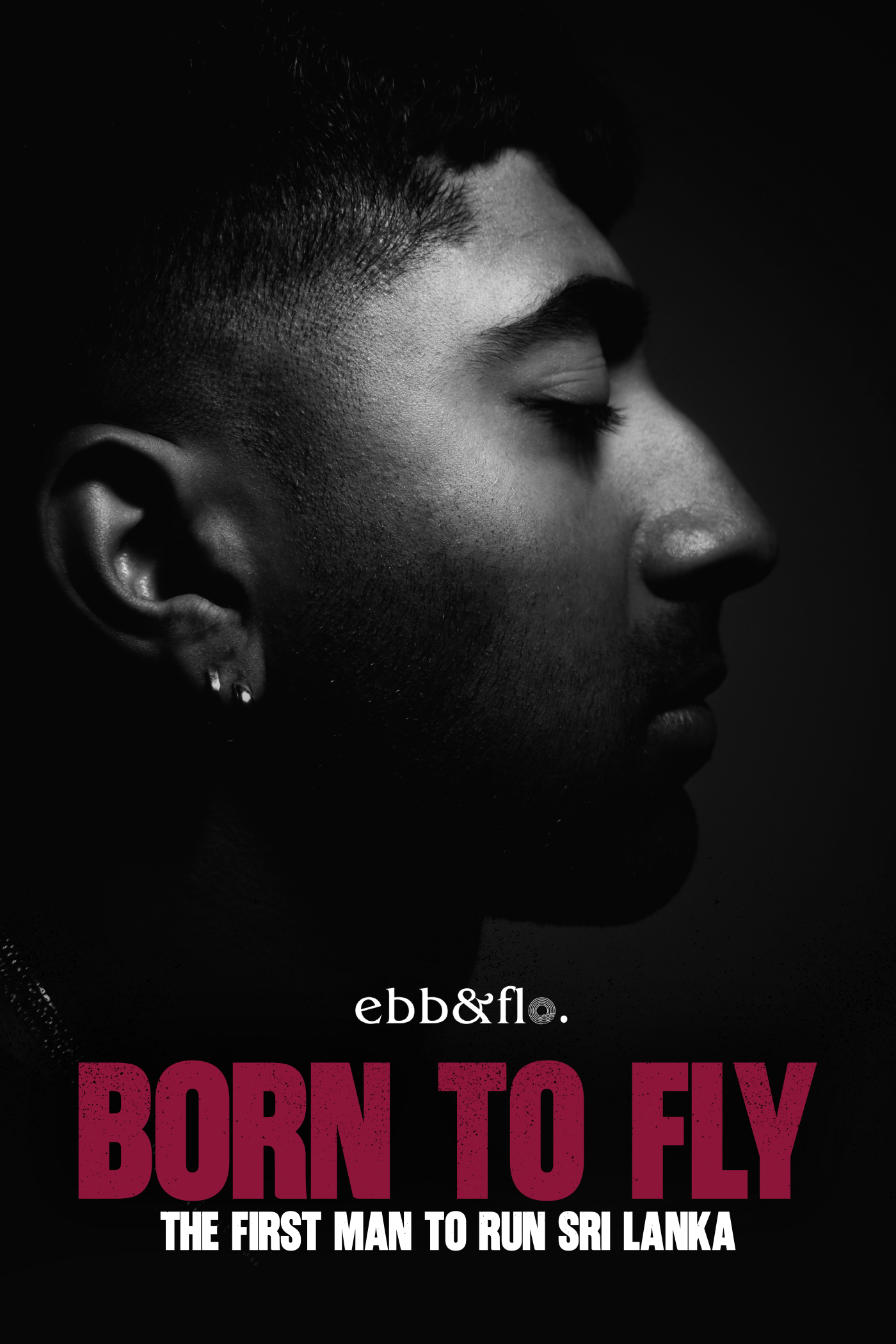
Born To Fly | 30.08 | 7:00 - 9:00 PM
Born To Fly — Ali Khajeiean | 2026 | 02:06:00
Born to Fly tells the story of dedication and perseverance through the eyes of Melbourne-based Ultra Runner, Rahul Sharma, from running his first marathon to setting a world record all in the same year. Between December 24th-30th, 2025, Rahul became the first person ever to run the length of Sri Lanka, setting a new world record for the fastest time to cover the 566km journey (completing the run in 6 days, 13 hours and 22 minutes). The intricacies and procedures of this great feat, planned by the team of students that surround him are captured in this documentary and Born to Fly follows the story of Rahul and his team in making this dream a reality.
Q&A with director Ali Khajeian and Ultra Runner Rahul Sharma.
Moderated by Andrew Chan.
Mother is a micro-short made by Anatole Sloan prior to his upcoming short, Our Child | 2026. Both films feature surrogate mothers loaning their wombs for women of different cultures, and raise questions of tradition, heritage, and motherhood.
Feature
King of The Tail | Ollie Rodgers & Gemma Harrad | 2026 | A Likewise Production
Ollie Rodgers:
Likewise is an independent media platform and online magazine dedicated to documenting arts and culture in Hong Kong through original videos and articles. We focus on capturing the raw aspect of our subjects, including street culture, music, and local traditions. Our approach reflects the grit, energy and contrasts of our city. We hope to share stories of individuals who deserve recognition, those who we believe are pushing the boundaries of their craft or giving back to their communities and cultures.
This idea for this film came about a few years ago while spending time talking to the locals in Tai Hang. When I found out that my friend could introduce me to Uncle Ray, “The King of The Tail”, it seemed like a no-brainer to explore that idea and have some fun hearing his stories. The aim was to present the Fire Dragon Festival through a more personal and spiritual lens, compared to what we had seen out there already. And there was no better man to hear from than Uncle Ray himself.
I learnt a lot about the traditions and history of the festival through making this film. It was awesome hearing how passionate Uncle Ray was towards being a 'Tai Hang Jai'. Having lived in Tai Hang for a few years myself, it made me even more motivated to show respect and tell his incredible story in the best and most authentic way possible.
For me, being half-Chinese but raised in a primarily international school bubble, there was also a deeper drive behind making this film. Finding organic opportunities to connect with my Asian side in fresh ways like this definitely excites me. The same goes for many other Likewise videos from the past. The power of having a camera, gaining someone’s trust and telling their story in the right way, can take you to new places. Putting myself in unique and uncomfortable situations is the most exciting part of documentary filmmaking and keeps bringing me back.
Uncle Ray and his family were all so welcoming to our small video crew throughout the filming process. We interviewed them at his home, on our roof at the community centre, and all throughout the different phases of the festival.
The Eye Dotting Ceremony in the temple was probably the most thrilling memory for me. This is essentially the big opening ceremony on Day 1, and to get inside the temple to watch or film, you had to be greenlit by one of the OGs and brought in swiftly.
The scene was hectic and it all happened so quickly. Uncle Ray pretty much grabbed me and pulled me inside. For the next thirty minutes, I felt so honoured to be inside that temple, watching this ceremony take place. The Fire Dragon was twirled around aggressively inside the Temple from head to tail. This was where I saw Uncle Ray in action, up close. As soon as he darted out of the Temple with the Tail, it was on. Three Days of controlled spiritual chaos throughout Tai Hang.
I hope the film makes you feel that sense of that hectic but beautiful energy that was prevalent whenever the Dragon passed you on the street. The heat of the flames and wind brushing by as Uncle Ray swung the tail around like it was another limb of his body.
He told us that every time it happened to be raining on one of the festival days, it would always magically stop, allowing them to go about the traditions for a few hours. And once finished, the rain would start again.
Hearing about his spiritual beliefs behind the festival was also rad. He is certain the Gods are watching over as they continue this local tradition into its 167th year.
⭐ HK Premiere.
Feature
The Audition | Janice Ng Wing Yee | 2026
Janice Ng Wing Yee:
Growing up as a third culture kid (TCK) in Hong Kong, part Korean and part Chinese, I rarely felt like I fully belonged in any single group in school. I used to tell myself I just preferred having multiple friend groups, but it was really just a cover for feeling excluded. Over time, I met others navigating this same identity crisis. I made a documentary about TCKs in university, but eventually I wanted to explore the topic through narrative satire — to get people thinking for themselves rather than being told what to think.
The Audition follows a group of local TCK actors auditioning for a film about Hong Kong. They end up clashing with a Western director who dismisses them for having the "wrong" accent, skin tone, or surname that doesn’t fit the narrow “HK” stereotype.
The core irony is that an outsider claims to know Hong Kong better than the kids who grew up here, highlighting how easily foreign voices exoticise and repackage local traditions for global consumption.
Identity is a frequent subject in cinema, but in a city with a unique ecosystem like Hong Kong, I want to challenge the phenomenon of cultural gatekeeping and defend the modern Hong Kong identity: being third-culture does not mean being less local.
Brought to life on a tight two-month timeline from ideation to production, the project wouldn’t have been made possible without the help of a cast of authentic TCKs whose lived experiences helped frame the narrative. Ultimately, I hope to use humour to unpack this ever-growing mismatch between our internal sense of belonging in Hong Kong and how the world insists on perceiving us.
⭐ Film made for this festival! HK Premiere.



Credits
Panelists: Phirens Rai, Joanne Chen, Chan Yu Tung Brian, Eric Low, Shanaia Khursigara, Rose Ng, Kitty Yeung, Kayu Yeung, Ollie Rodgers, Janice Ng Wing Yee, Justin Tang King Man, Ali Khajeian, Ultra Runner Rahul Sharma.
Panel Moderators: Jiaying Sim, Sophie Colfer, Andrew Chan
Curators: Sophie Colfer with the support of Priyanka Sen and Pray Mathur, the Diversity, Equity, and Inclusion Board Member at Soho House Hong Kong
Venue: Soho House HK
Powered by: Third Culture Film Festival / SOOOP
Sponsored by: NockArt Foundation, Nockie’s Palette
Still: I Would’ve Been Happy | Jordan Wong | 2023